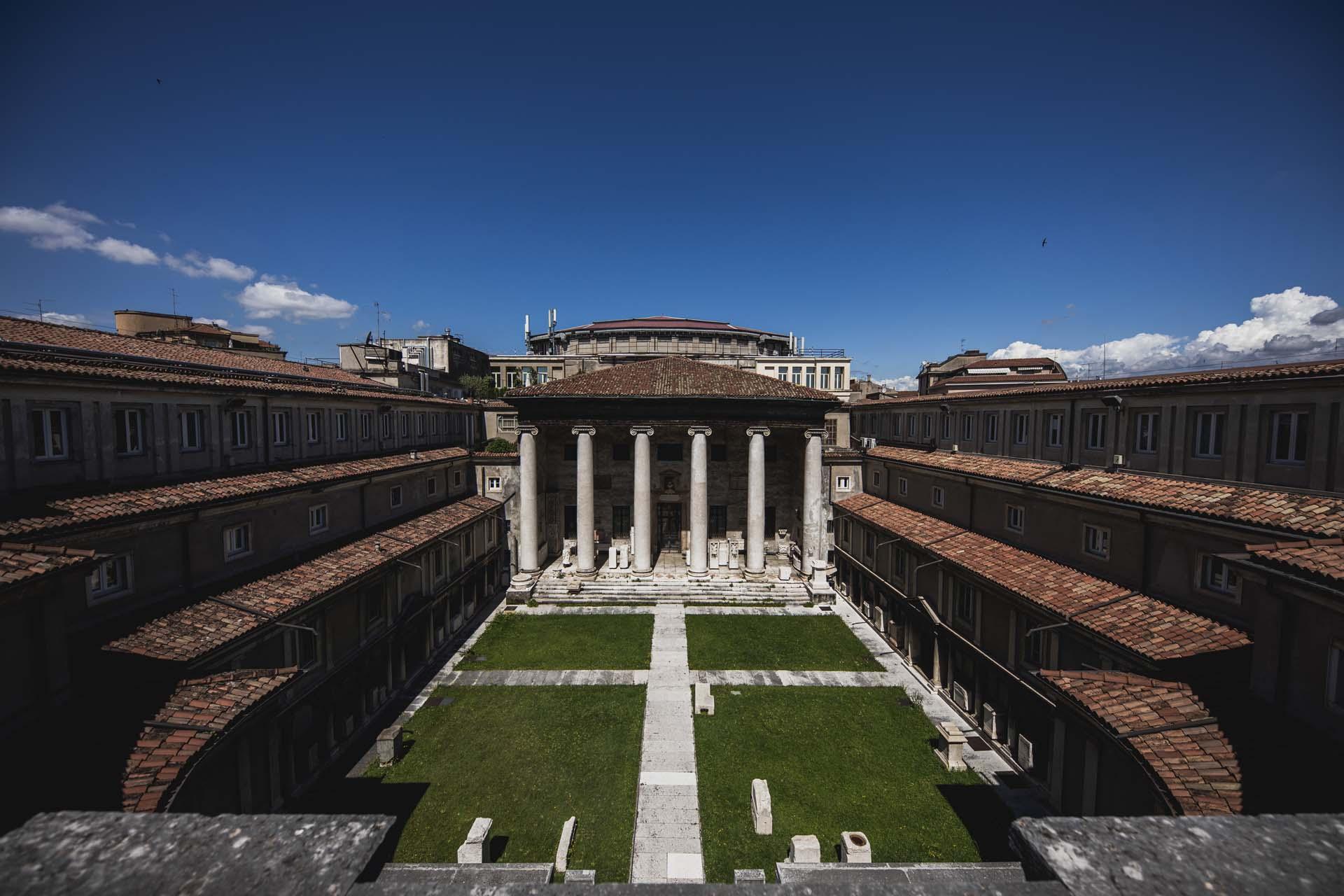
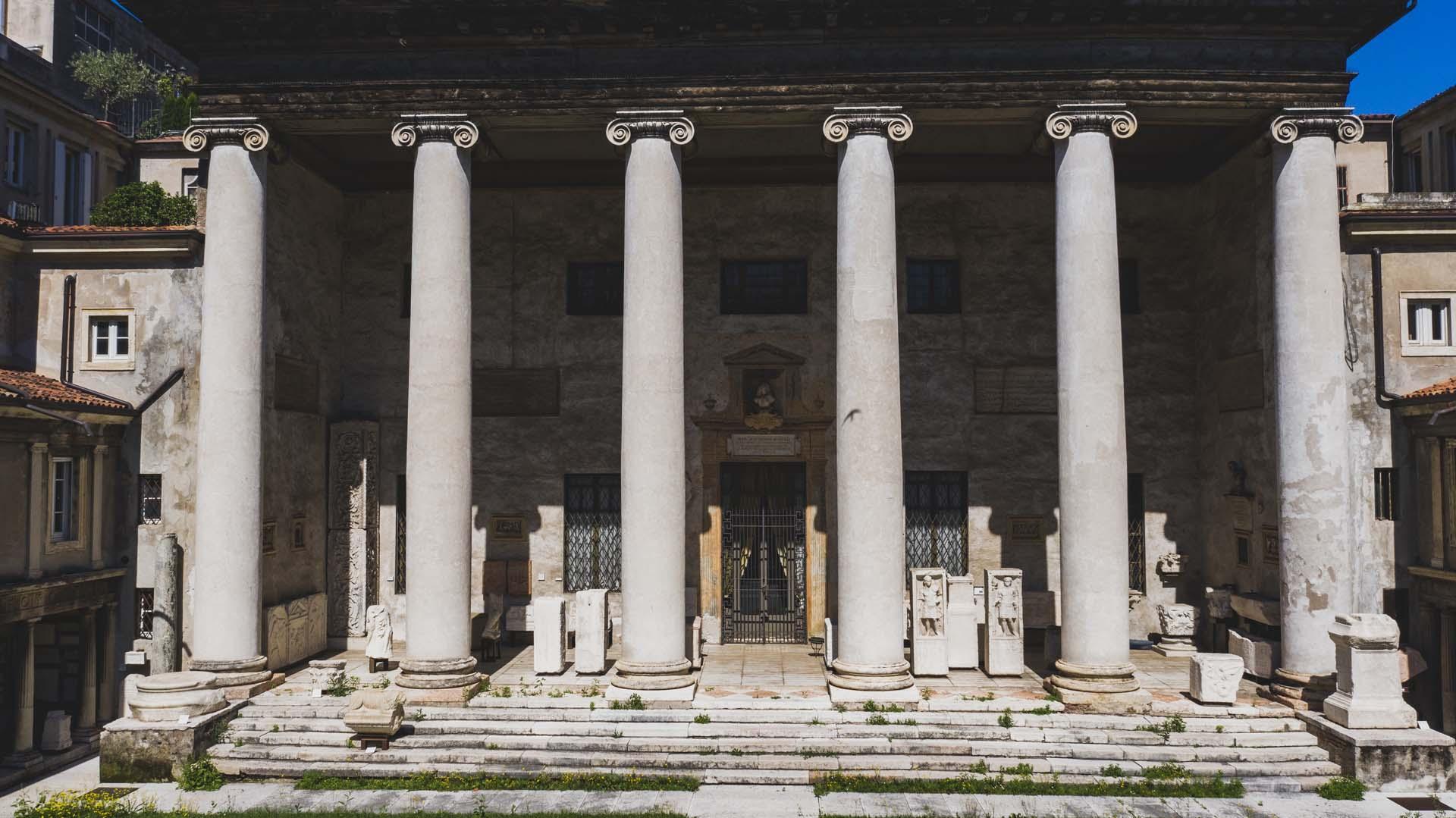
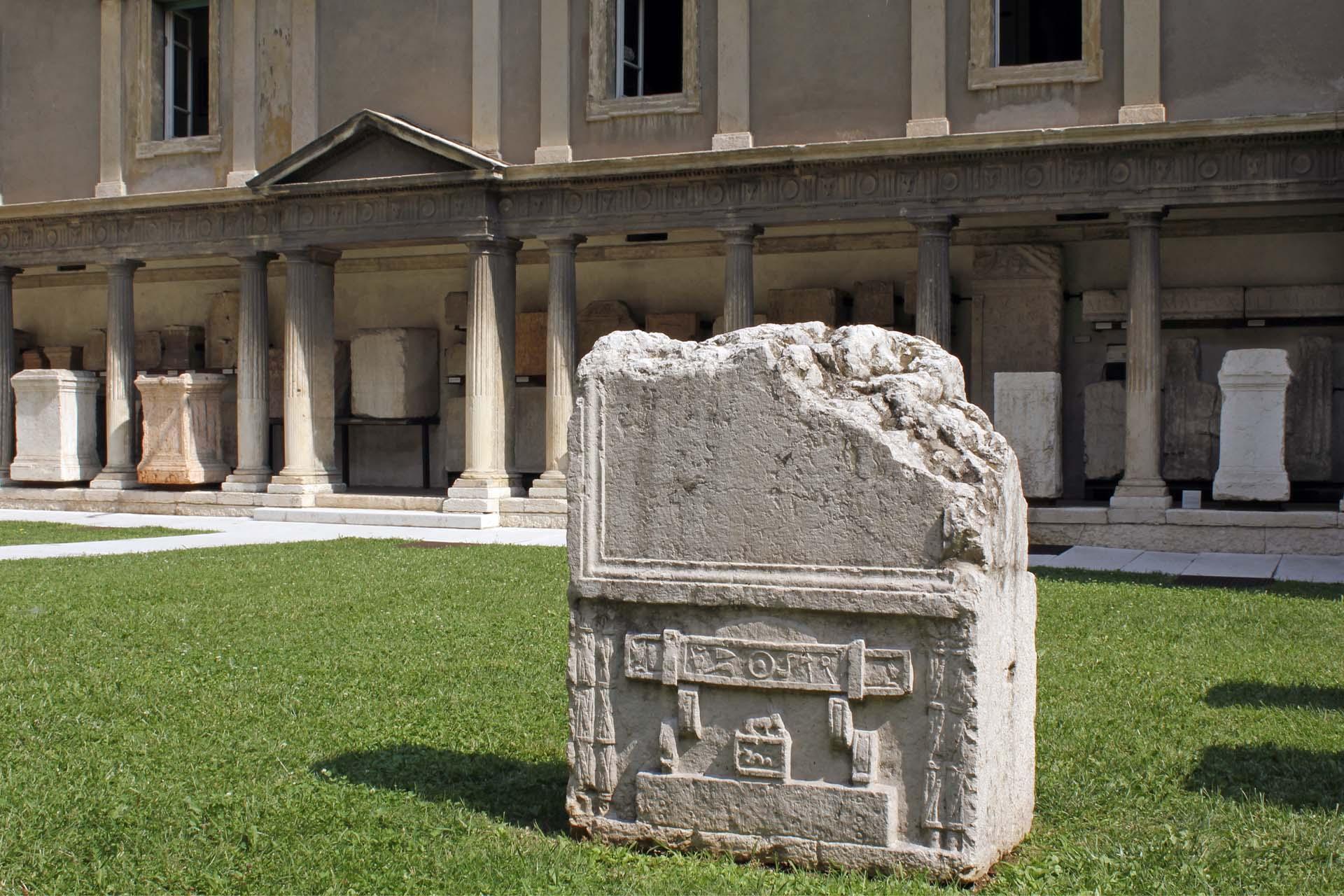
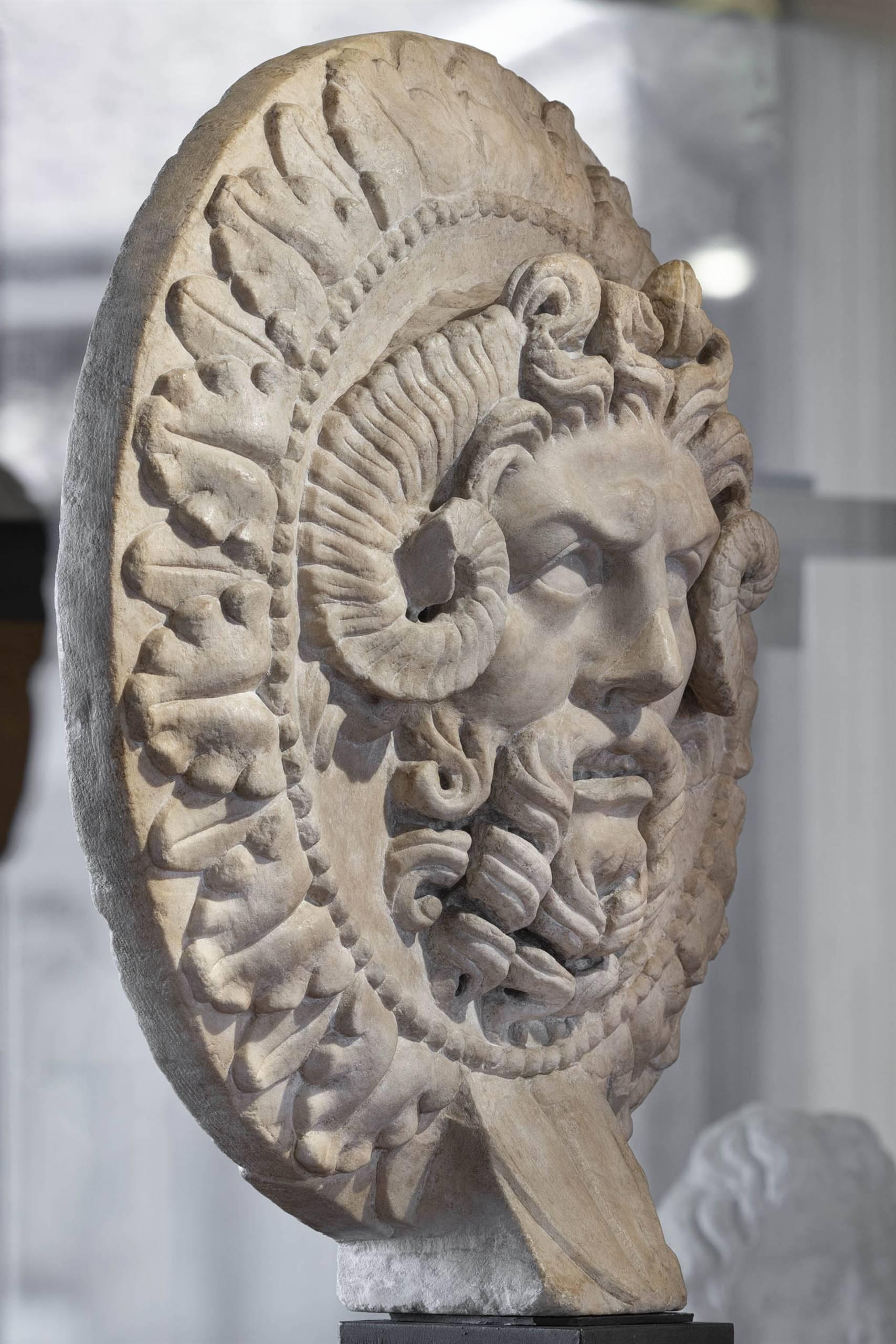
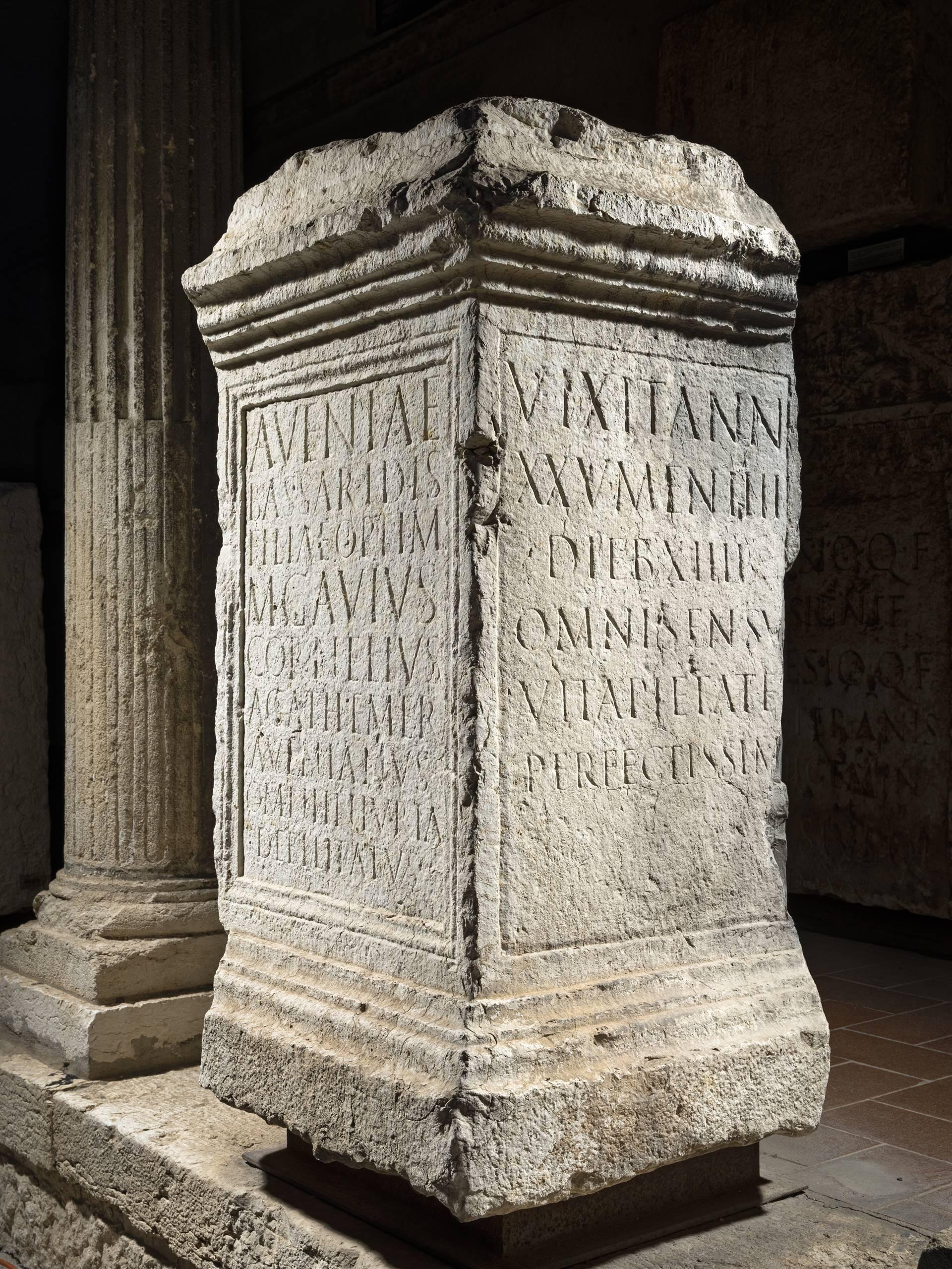
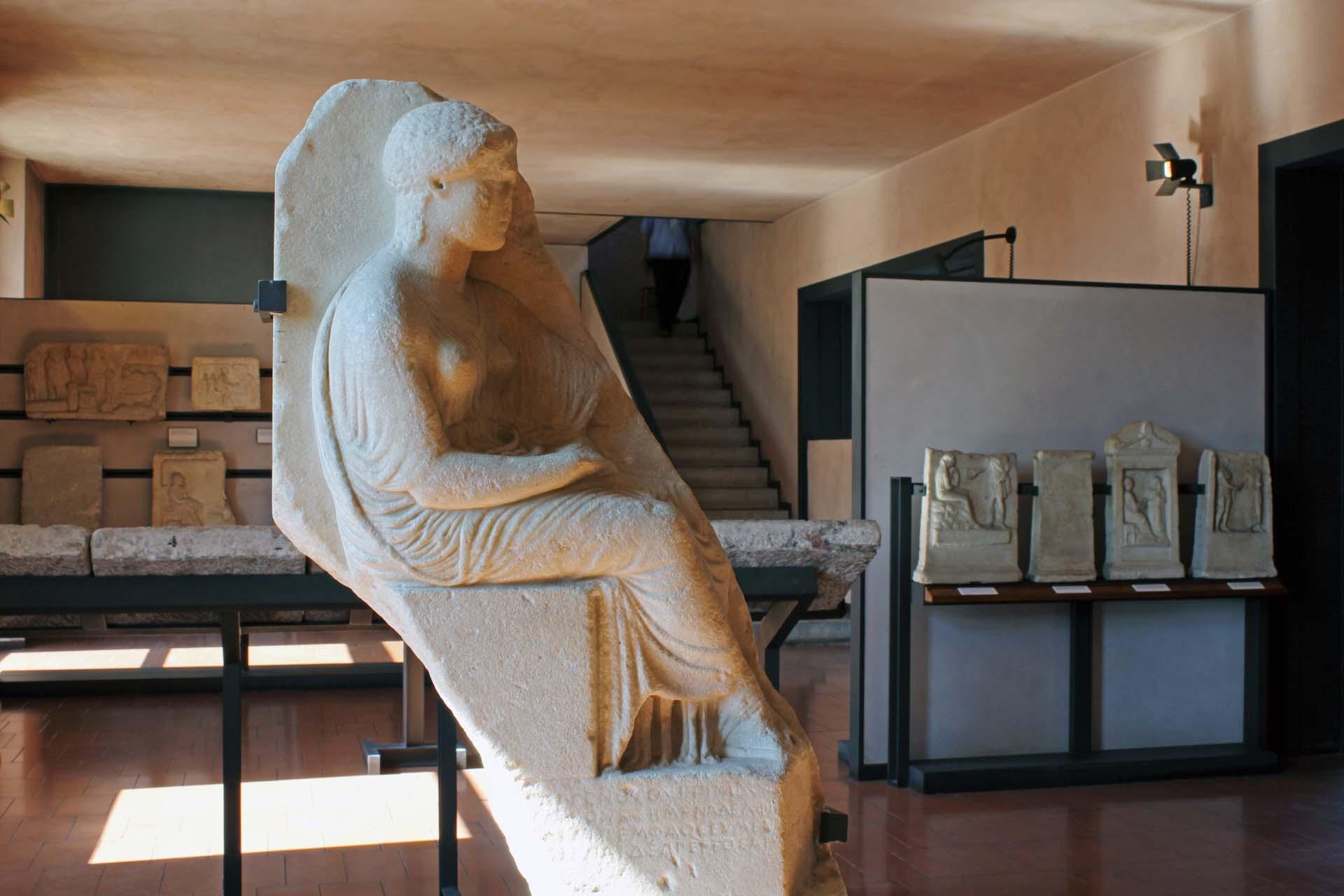
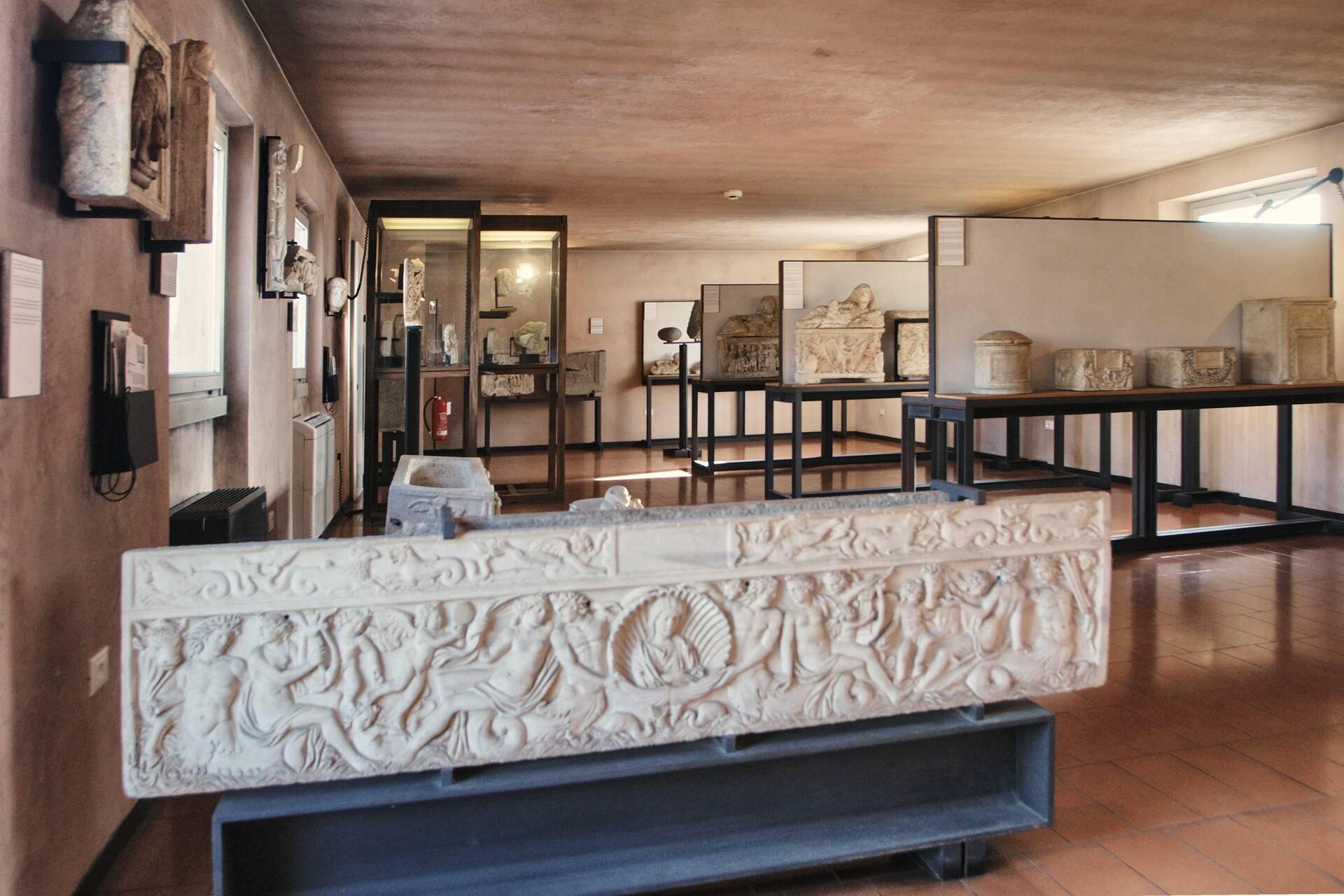
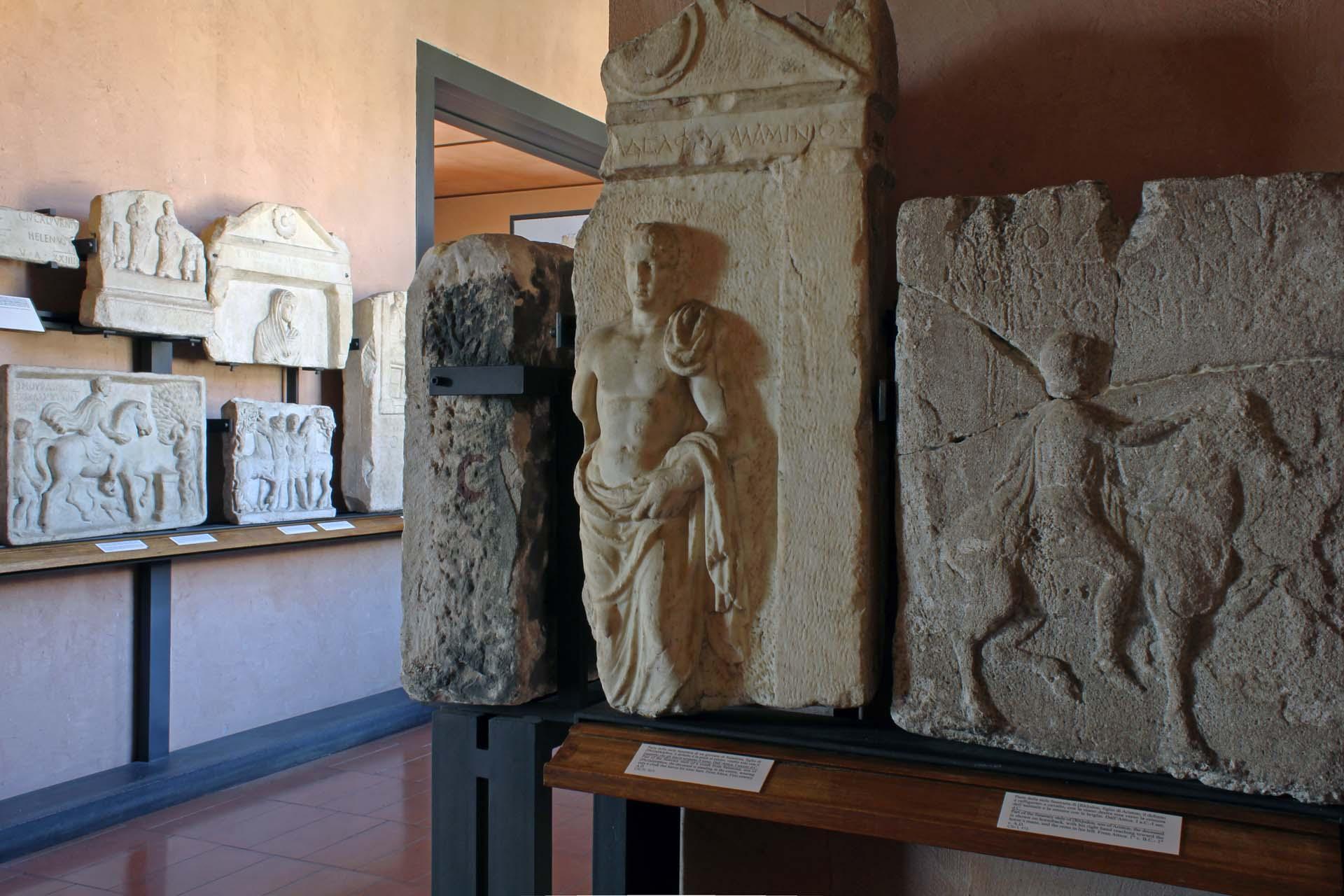
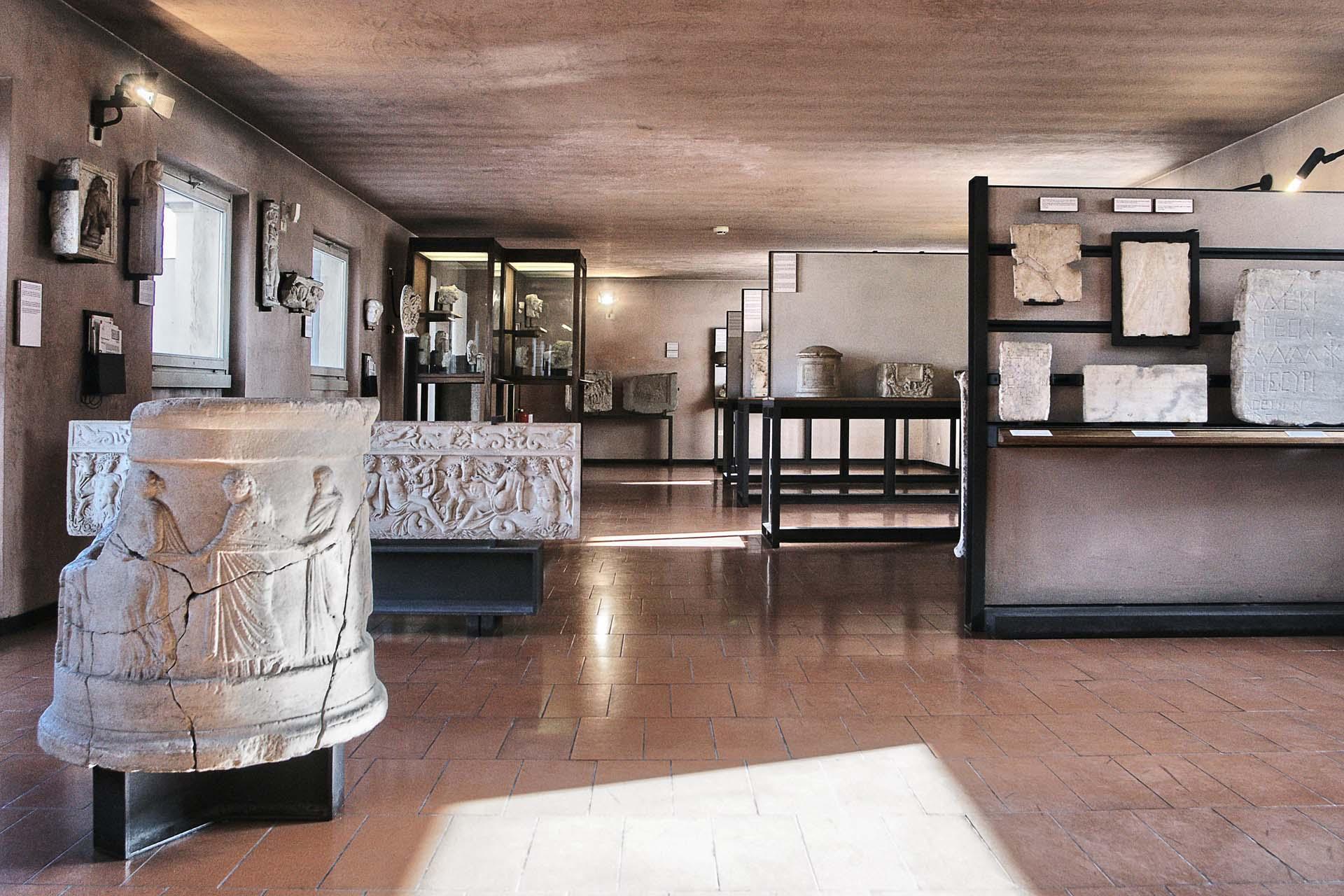
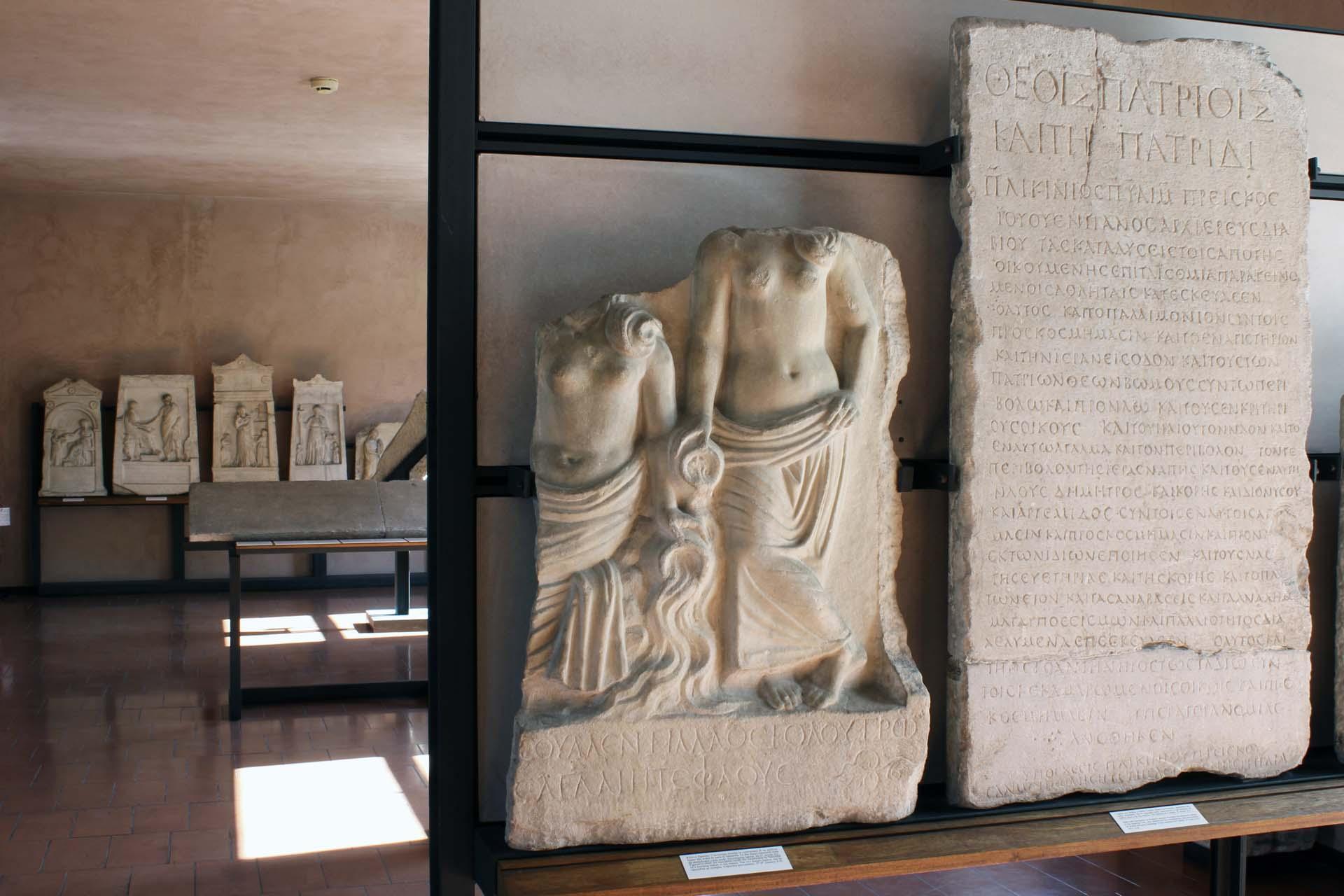
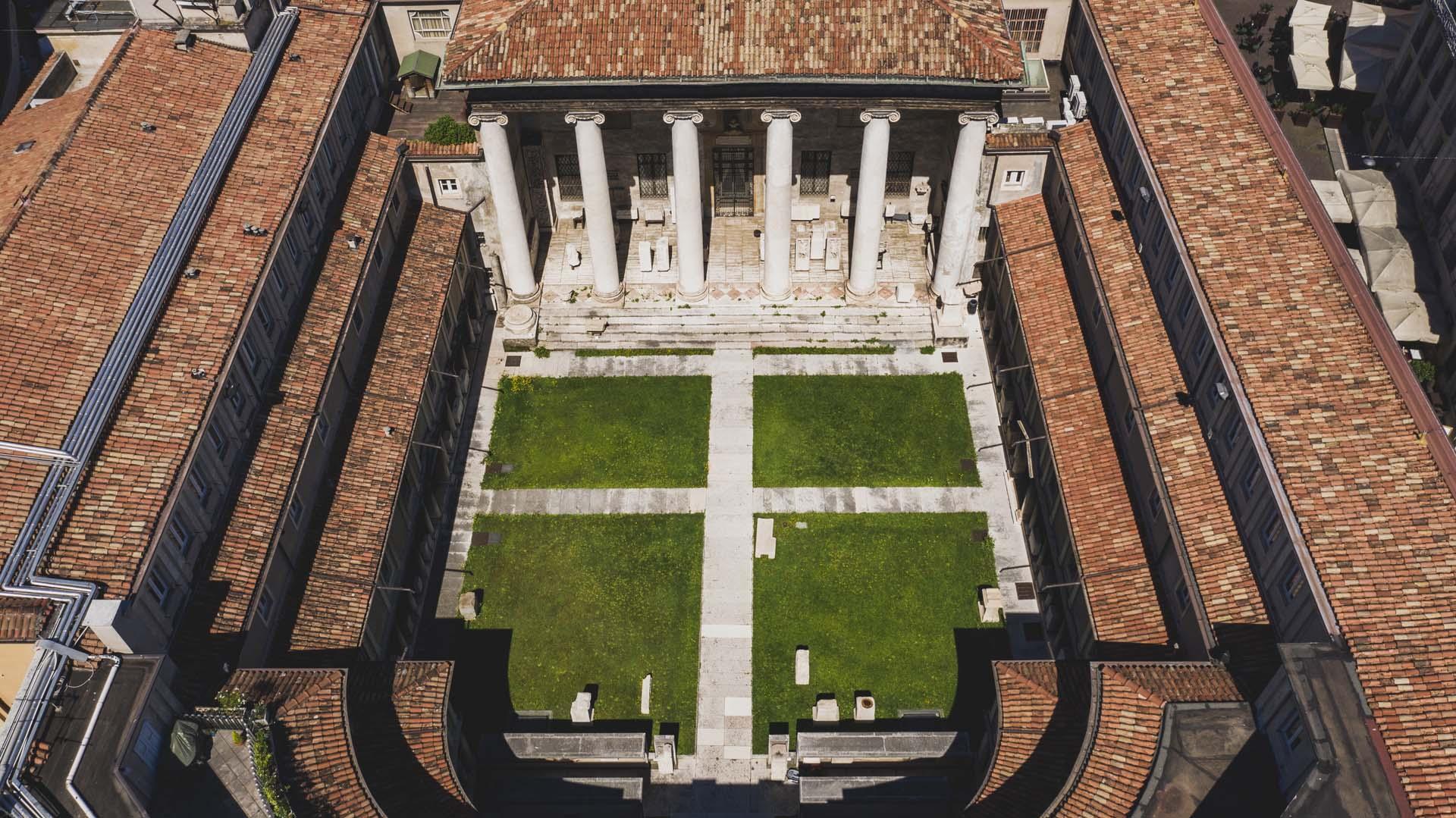
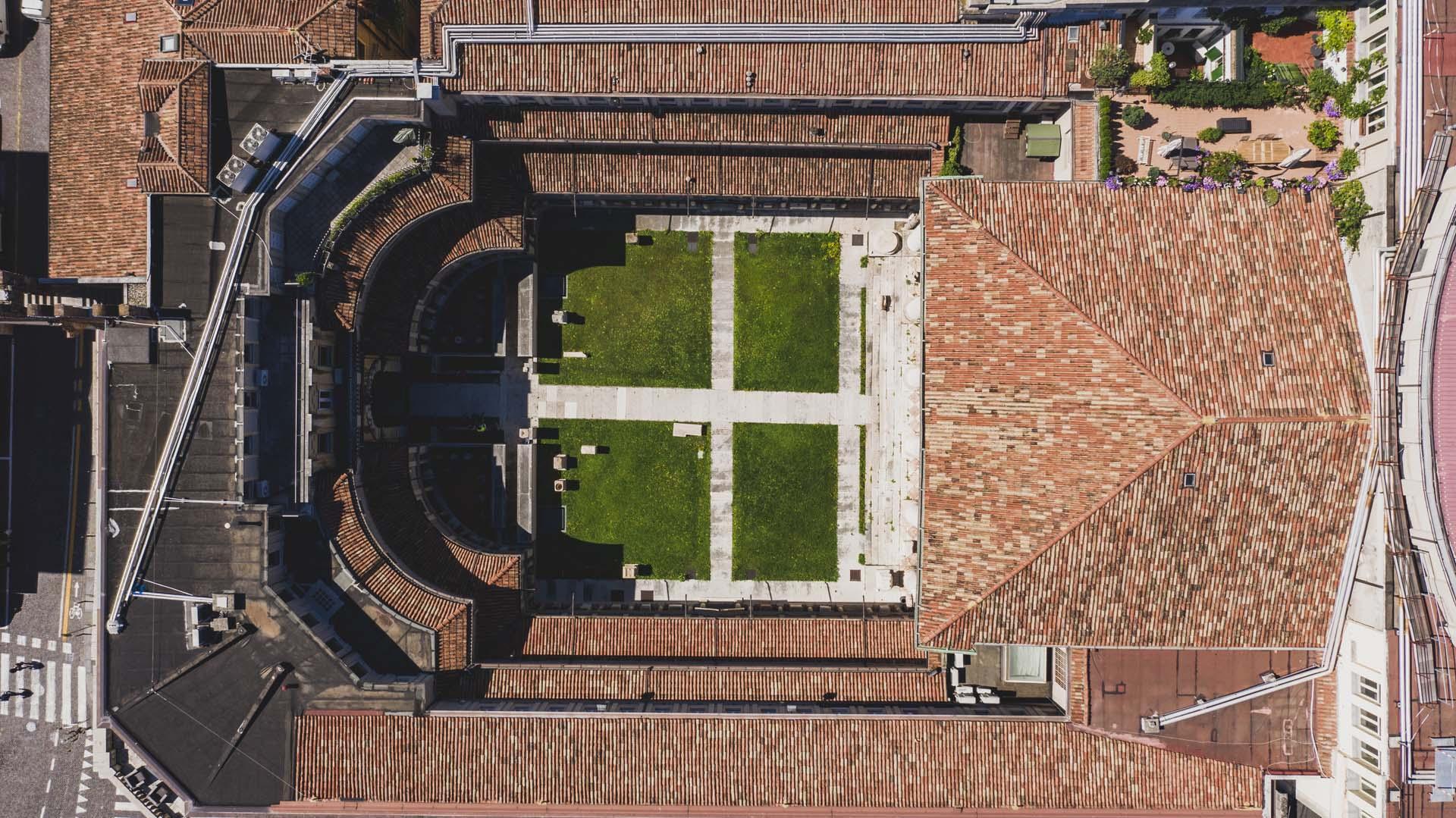
The Maffeiano Lapidary Museum, founded in the mid-eighteenth century, is one of the oldest public museum institutions in Europe. Its name is linked to Marquis Scipione Maffei (1675-1755), an internationally renowned scholar from Verona who dedicated over thirty years to collecting hundreds of inscriptions, entrusting architect Alessandro Pompei with the construction of an adequate place for their exhibition and preservation.
The museum, originally called "Museum Veronense," was conceived as a public institution, ensuring the preservation of artifacts and avoiding the dispersion typical of private collections of the time. For more than a century, the Maffeiano was the quintessential museum of Verona, a must-see for travelers on the Grand Tour, including J.W. Goethe in 1786.
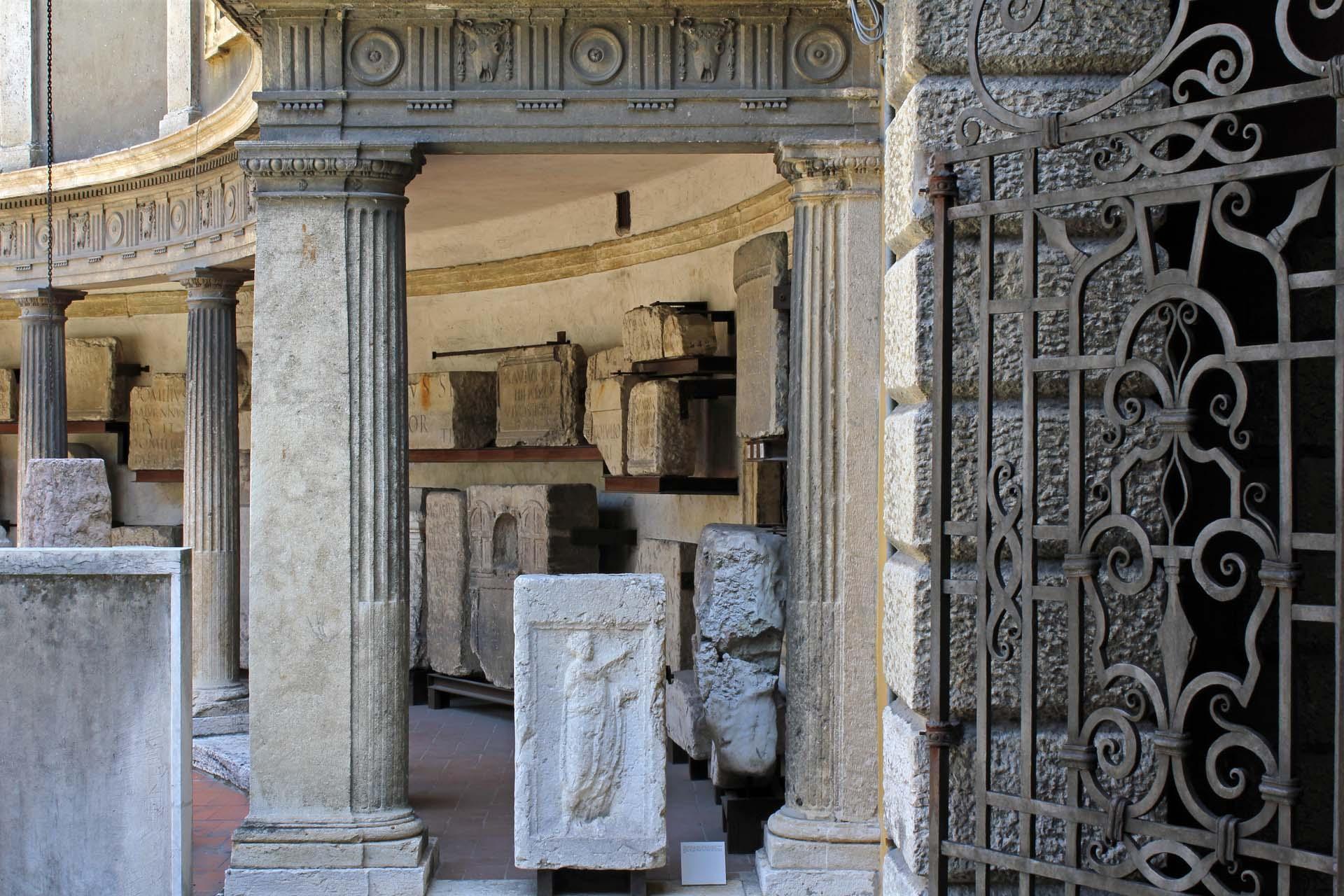
The current setup, curated by architect Arrigo Rudi and inaugurated in 1982, reflects only partially the original organization of Maffei due to structural changes that occurred in the twentieth century. Some materials, such as Etruscan cinerary urns transformed by Maffei into frames, are still arranged in their original placement, preserving the historical charm of the museum.


 ${item.descriptiveTime && item.descriptiveDate.endsWith(item.descriptiveTime) ? item.descriptiveDate.slice(0, -item.descriptiveTime.length).replace(/[\\s/,-]+$/, '') : item.descriptiveDate}$

 ${item.regionTag}$
 Website