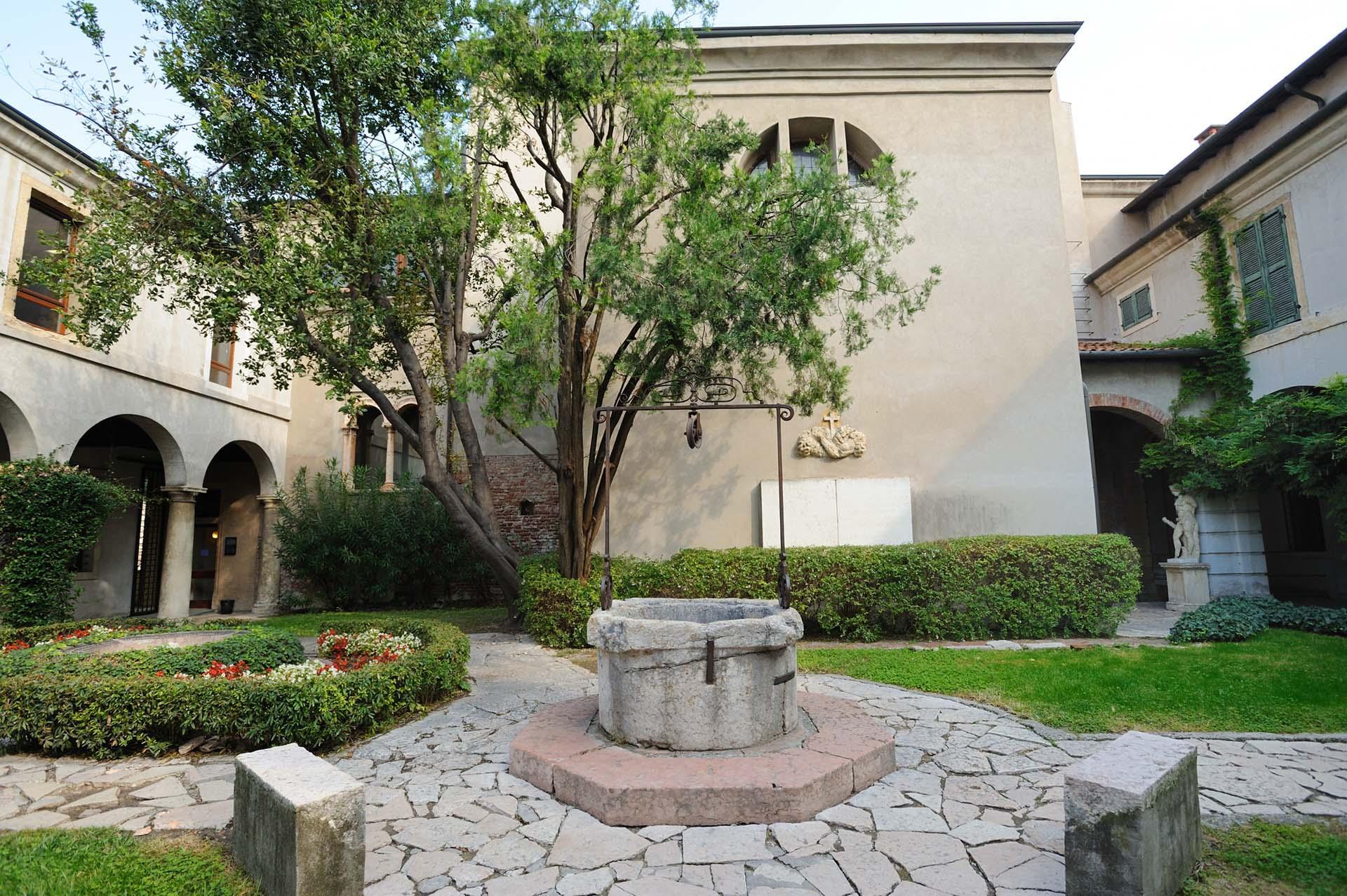
The "Giovanni Battista Cavalcaselle" Fresco Museum is located in the former convent of San Francesco al Corso, a complex whose origins date back to the 13th century. Built in 1230 and initially inhabited by Franciscan friars, the building has undergone numerous changes over the centuries, including partial reconstruction after the explosion in 1624 and the Napoleonic suppression of the 19th century. In the 1960s, the complex was restored and designated as a museum in 1973.
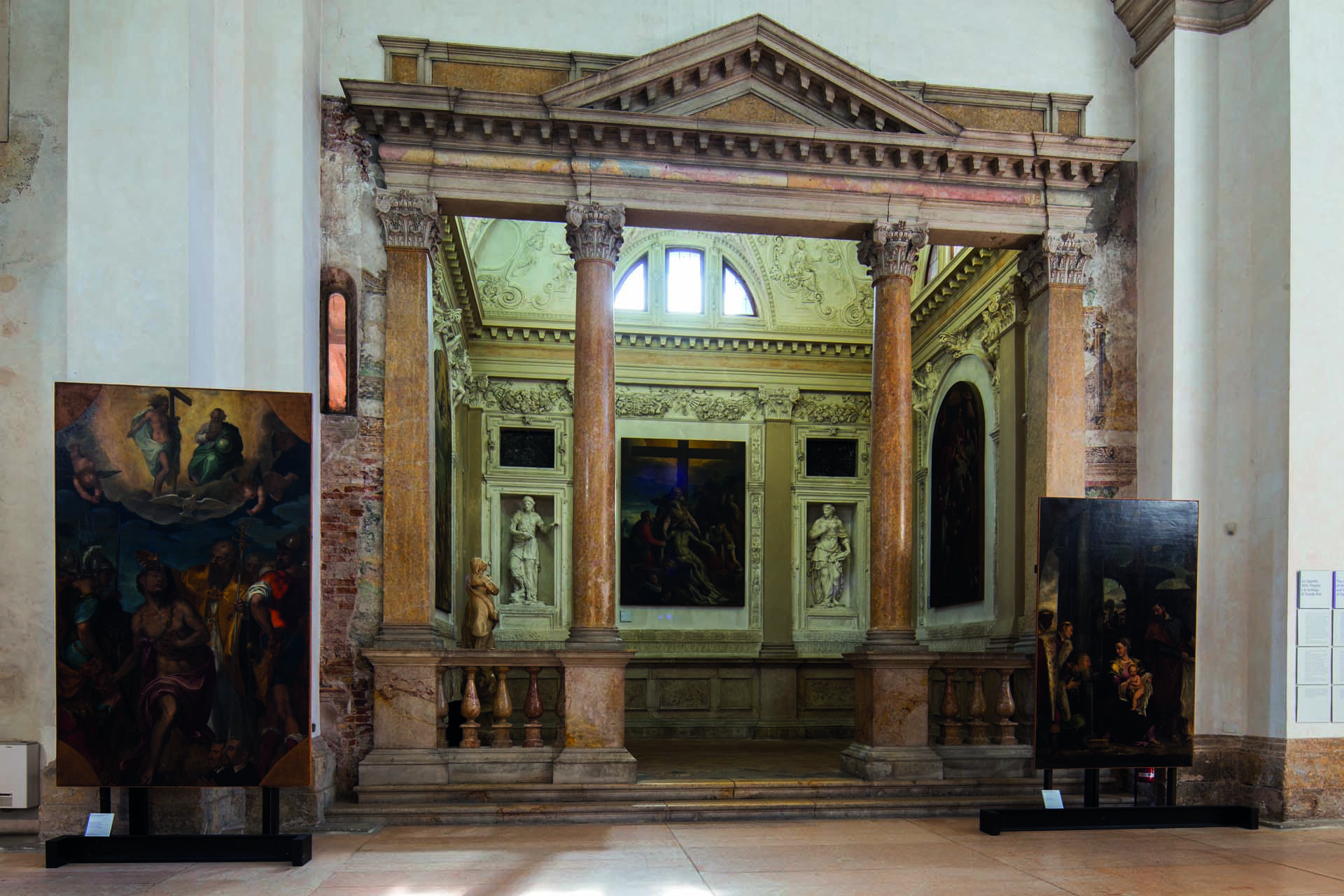
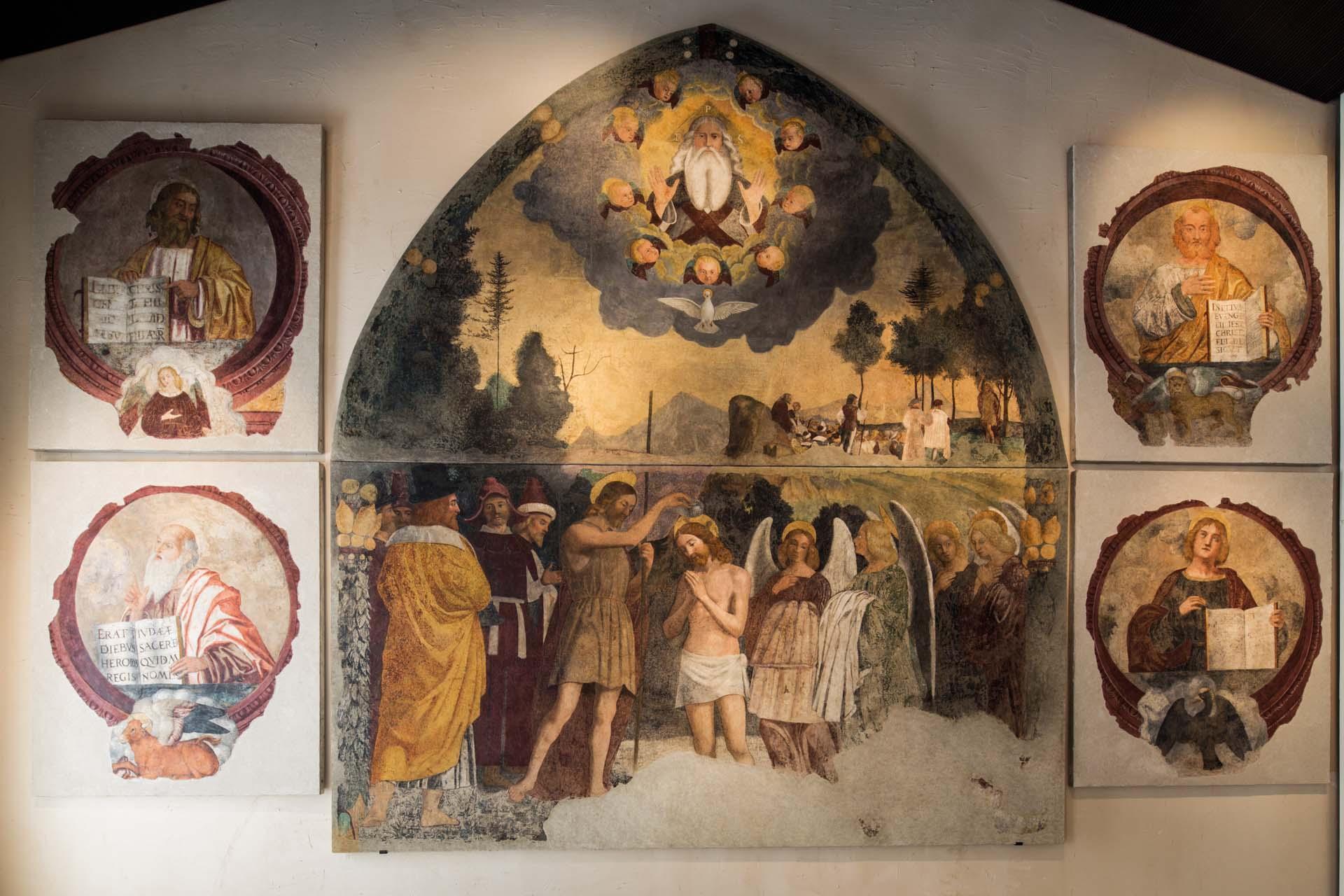
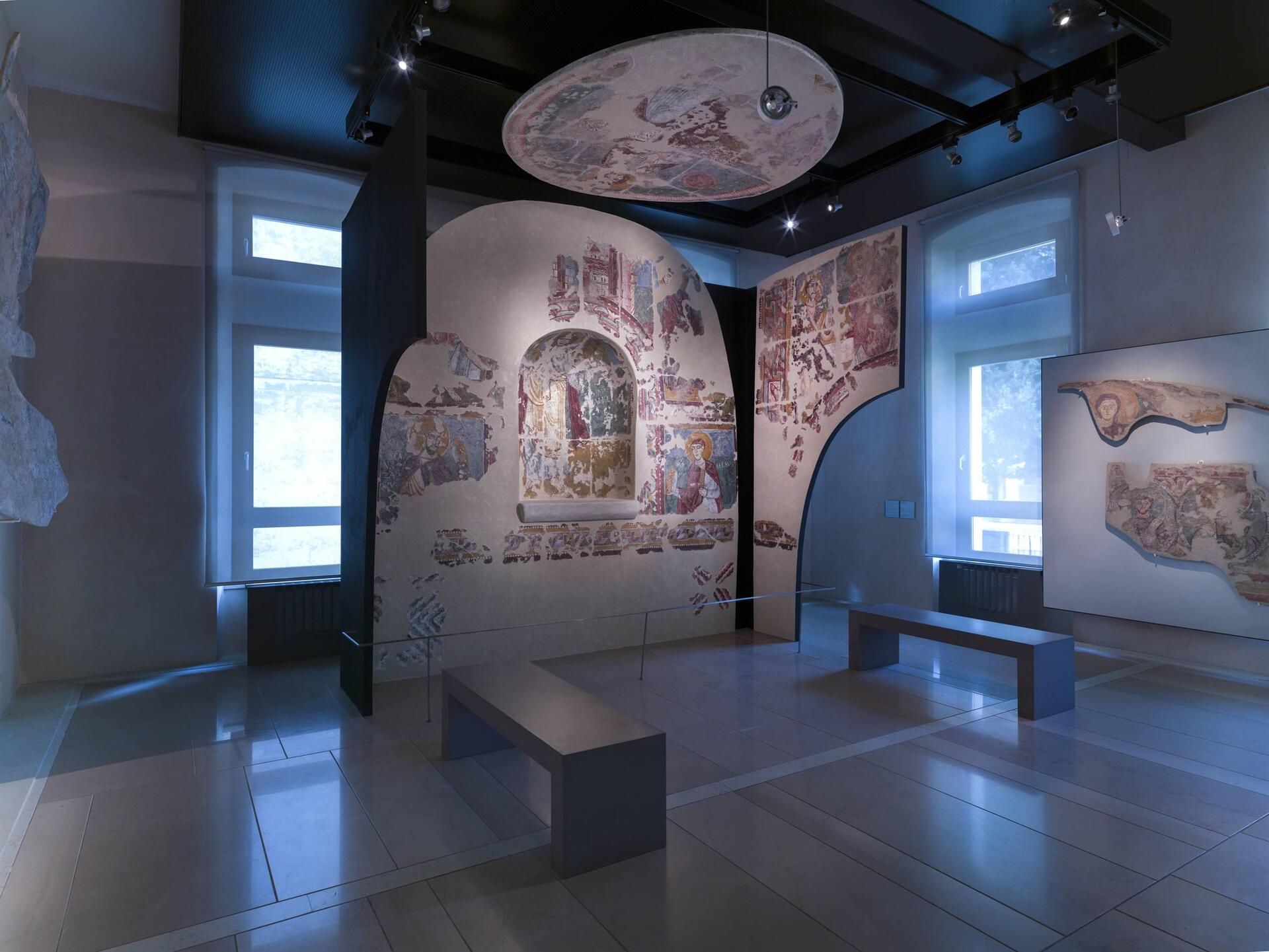
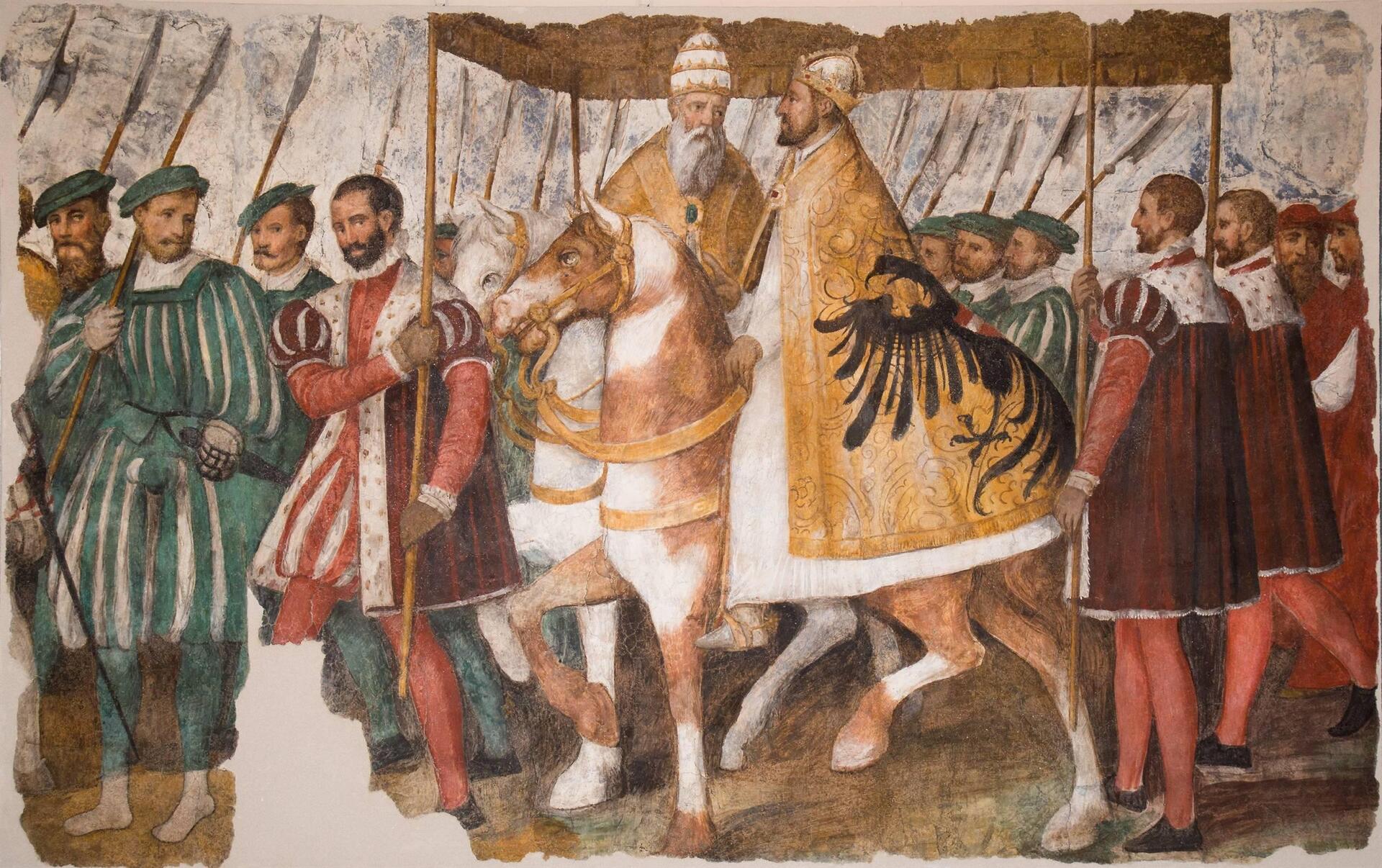
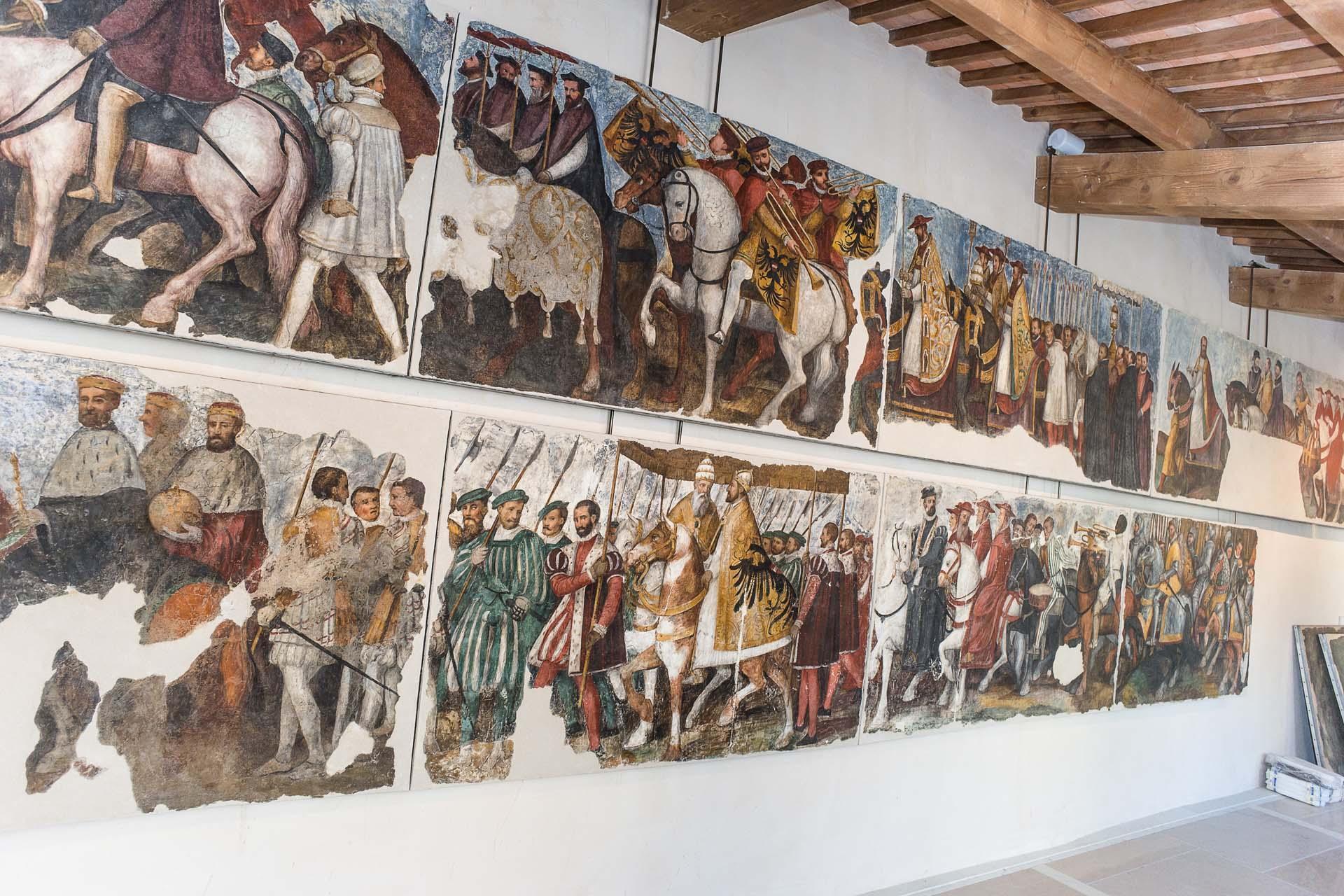
The museum is dedicated to Giovanni Battista Cavalcaselle, a pioneer of modern art history in Italy, known for his studies on Italian and Flemish painting. The collection includes numerous frescoes from Veronese buildings, detached and “stripped” from the walls of palaces and churches in the city between the 19th and 20th centuries, offering a rich overview of medieval and Renaissance art.
In the Sala delle Muse da Casa Guarienti, a 16th-century Veronese palace environment has been reconstructed, specifically the Guarienti Palace at the Filippini, relocating the frescoes that decorated its walls in their original arrangement. The subject of this pictorial cycle has not yet been fully clarified, although some mythological or allegorical figures can be recognized: Mercury with the caduceus, Venus with two Erotes, Diana the Huntress, the allegory of Fame with a trumpet, depictions of river deities and water nymphs.
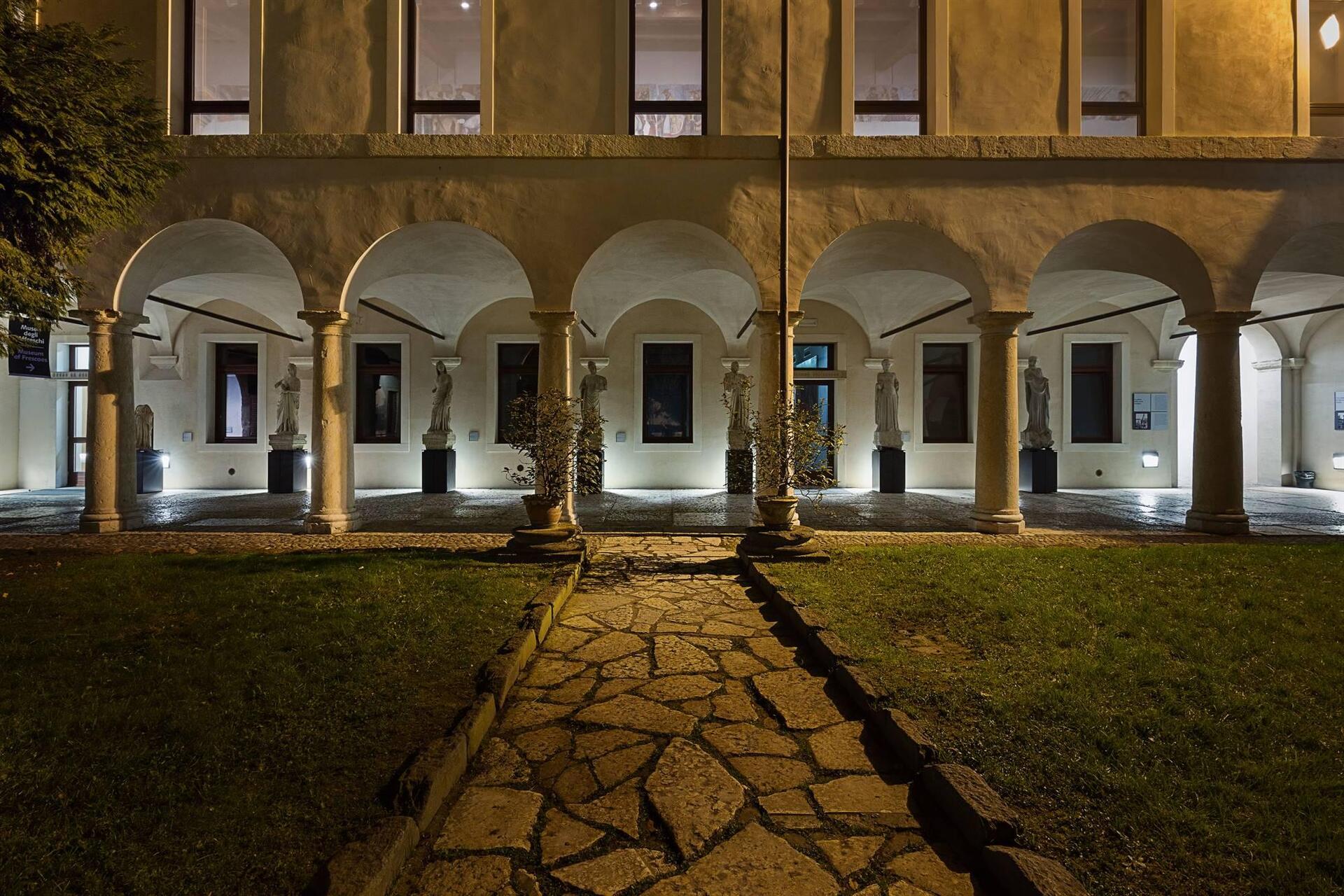
On the ground floor is the Sala Giacomo Galtarossa - a spacious hall - named after the greatest patron of the Veronese museums of the late 20th century and the first president of the Friends of the Museums of Verona. Outside the hall, in the cloister, six statues representing the Virtues and the cities of Verona and Vicenza greet visitors, originating from the enclosure of the Arche Scaligere, included to unite them and create an ideal dialogue with the 14th-century pieces displayed in the upper rooms of the museum.
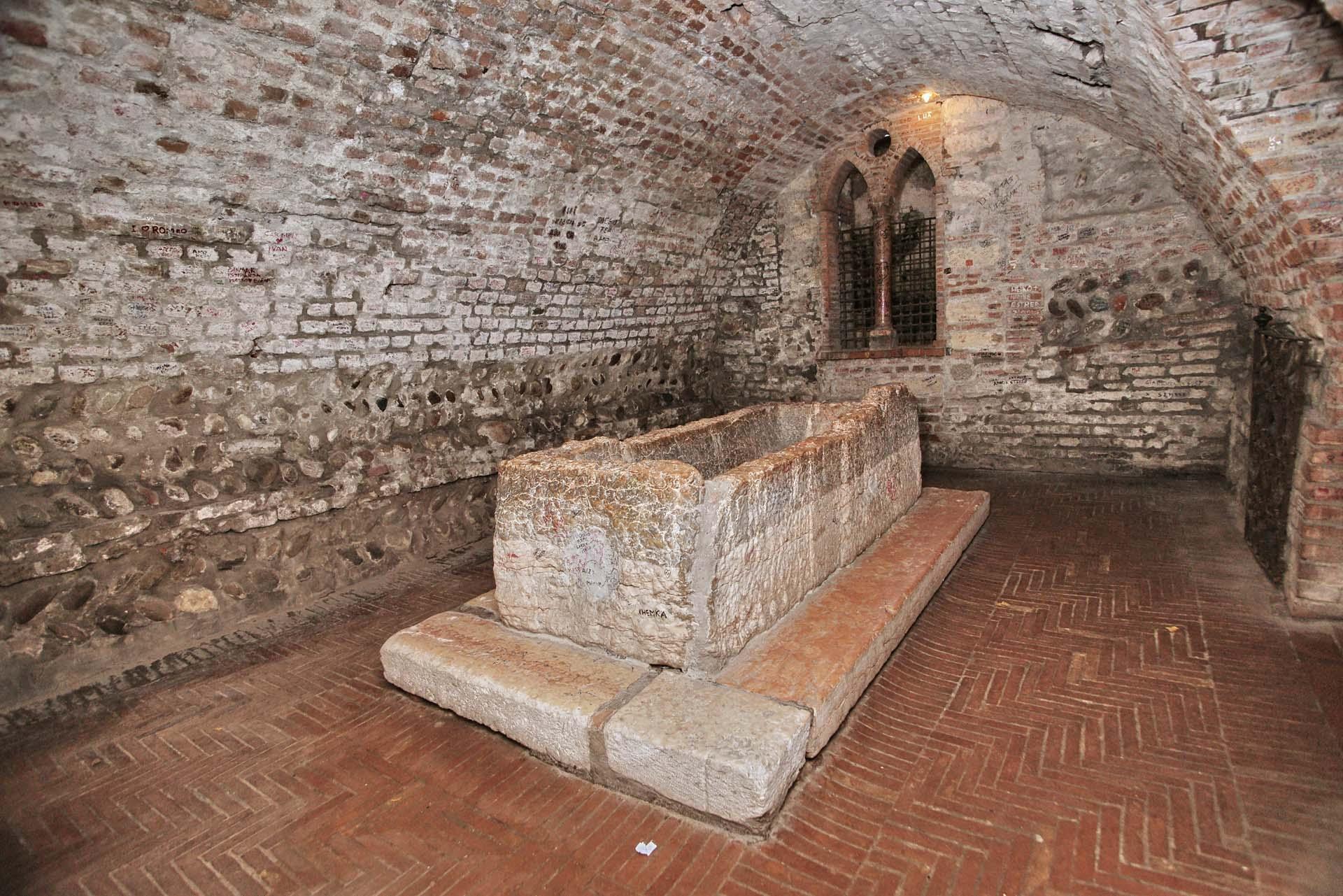
Inside the museum, there is also a red marble sarcophagus, traditionally identified as Juliet's Tomb. This legend dates back to the 16th century, and since the 19th century, the tomb has been a destination for romantic pilgrimages. In 1938, the sarcophagus was moved to its current location, where it remains one of the most visited places in Verona.


 ${item.descriptiveTime && item.descriptiveDate.endsWith(item.descriptiveTime) ? item.descriptiveDate.slice(0, -item.descriptiveTime.length).replace(/[\\s/,-]+$/, '') : item.descriptiveDate}$

 ${item.regionTag}$
 Website