Palazzo Maffei is the result of the restoration of the most important Baroque building in the heart of Verona.
An exhibition path with a "double soul," between ancient and modern, that spans over four thousand years of history, with more than 700 works in dialogue among the arts: painting, sculpture, applied arts, and architecture. An important focus on Veronese painting, the passion for Italian Futurism and Metaphysics, and authentic masterpieces of modern and contemporary art, featuring the great masters of the 20th century: from Picasso to De Chirico, from Mirò to Kandinsky, from Magritte to Fontana, Burri, and Manzoni.
Inaugurated in Verona, in the ancient heart of the city, in two subsequent moments - on February 14, 2020, and October 25, 2021, with the exhibition of the second floor as well - Palazzo Maffei Casa Museo offers an eclectic journey among masterpieces and curiosities of art, united by a kaleidoscopic collecting passion.
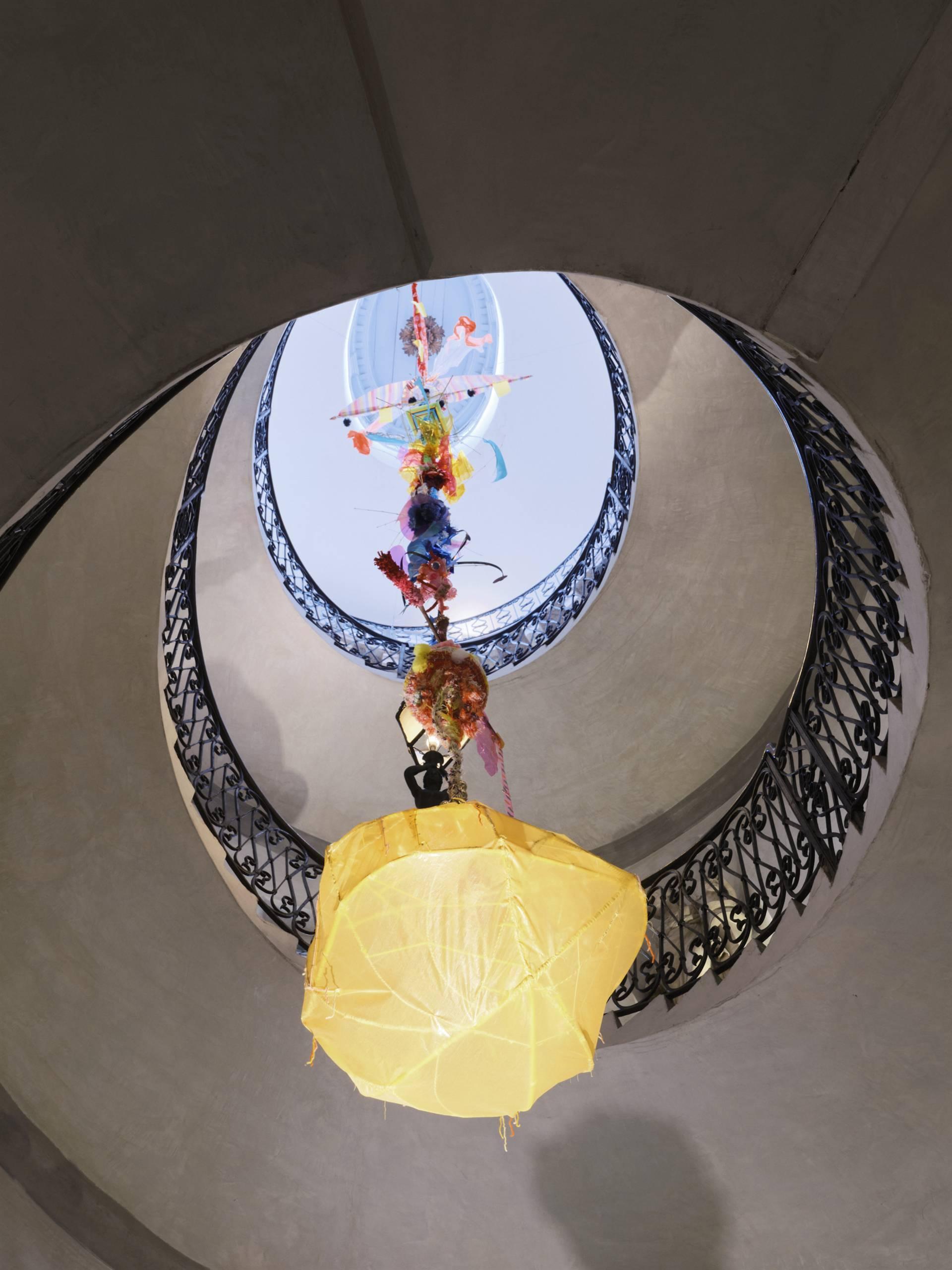
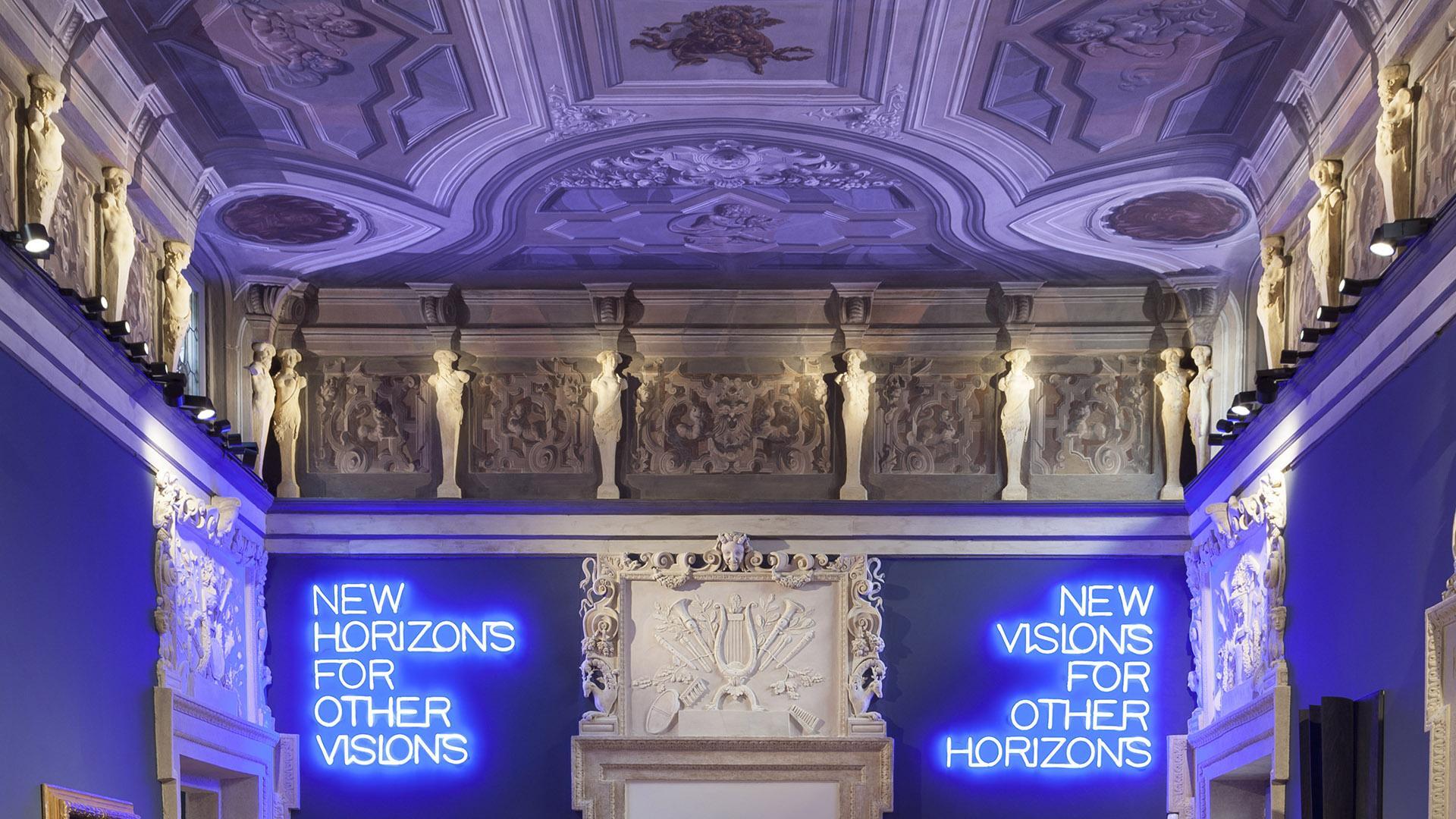
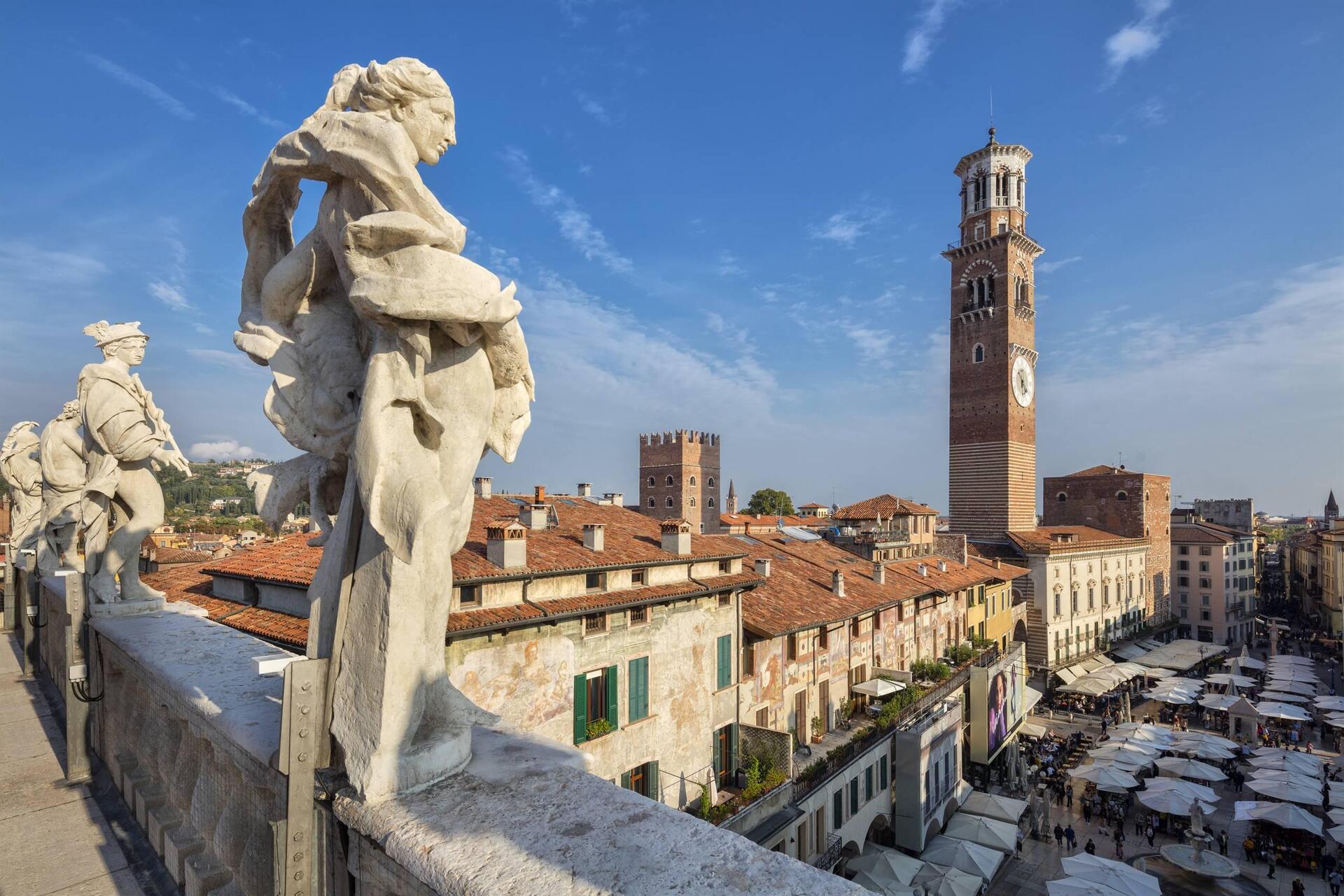
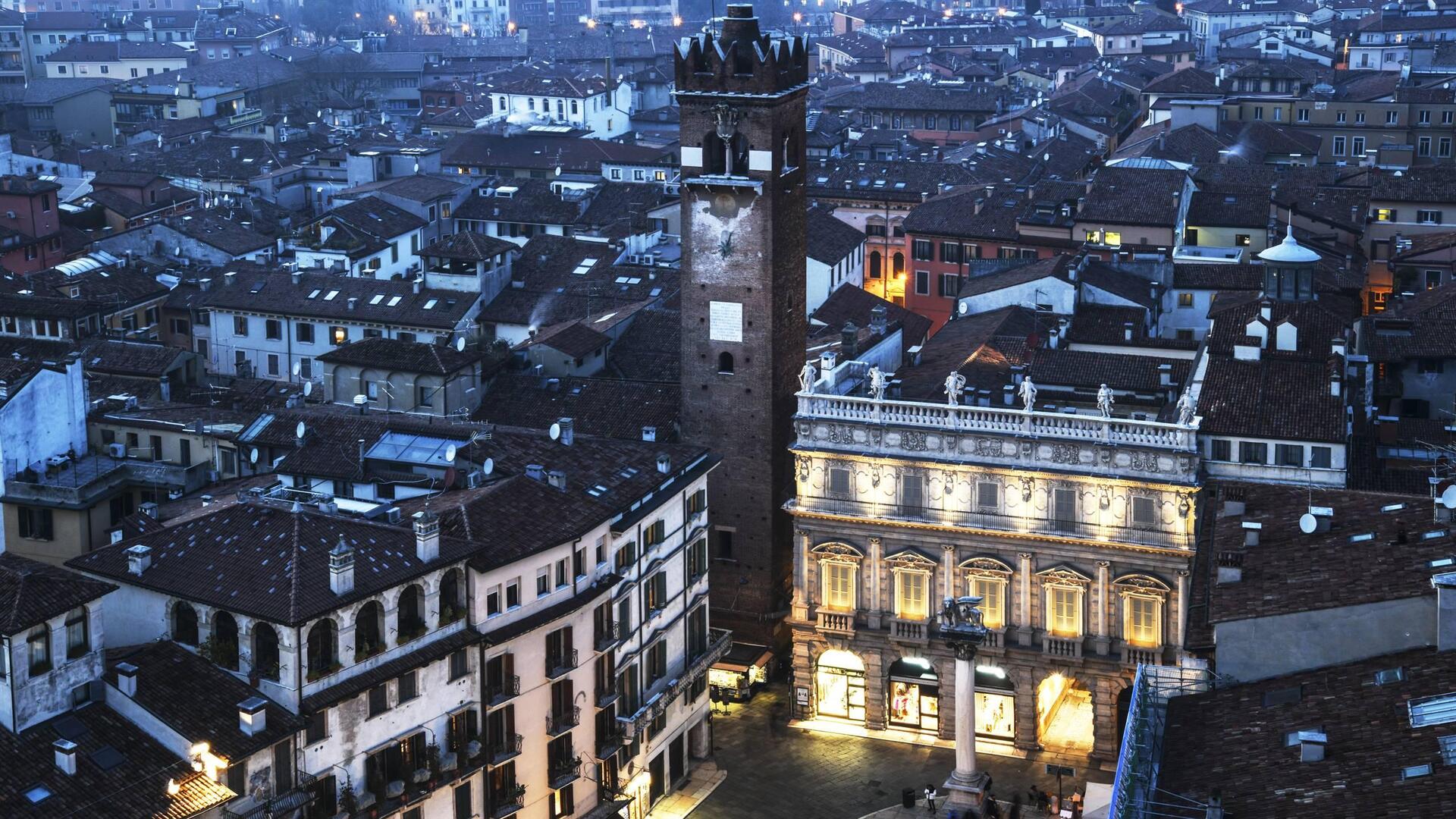
The building, a striking backdrop to Piazza delle Erbe, with its now-glimmering Baroque facade, the imposing self-supporting helicoidal staircase, the stuccoes, and the wall paintings of the noble floor, houses a collection of great interest that ranges from the end of Greco-Roman art to the present day, the result of over fifty years of passion of the Veronese entrepreneur and collector Luigi Carlon.
The architectural and exhibition project is by the studio Baldessari and Baldessari, with the museographic idea by Gabriella Belli, art historian and curator.
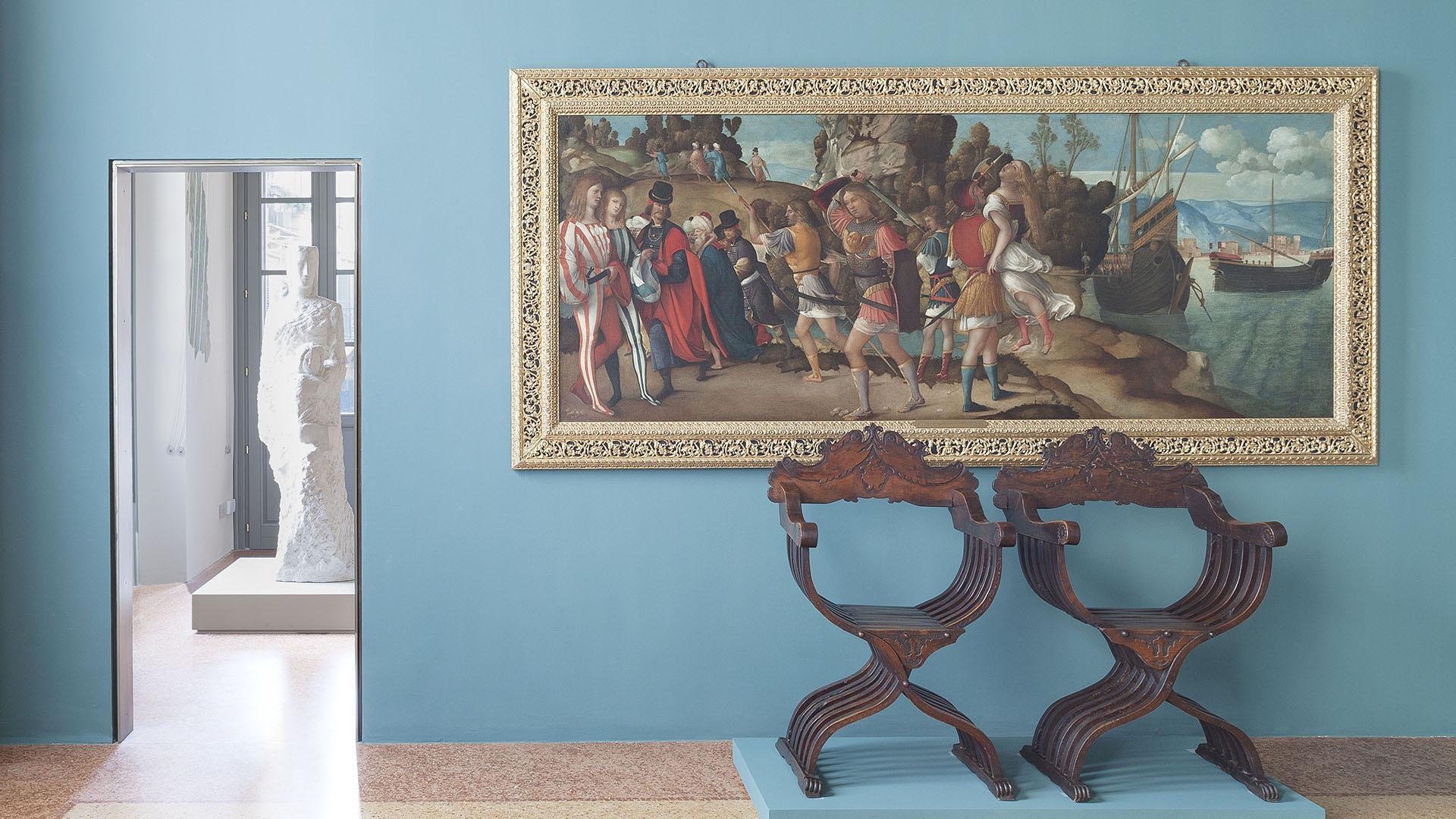
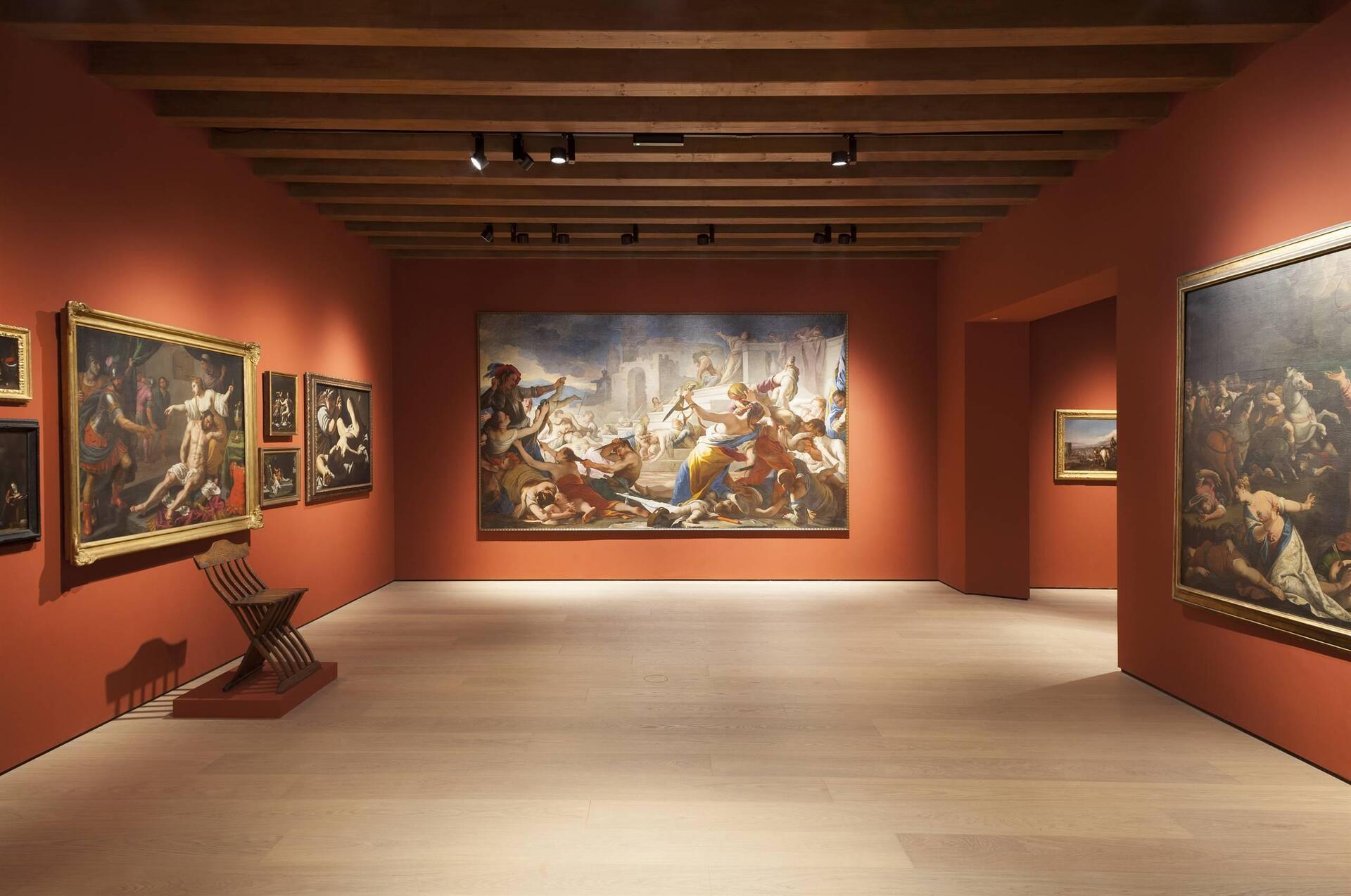
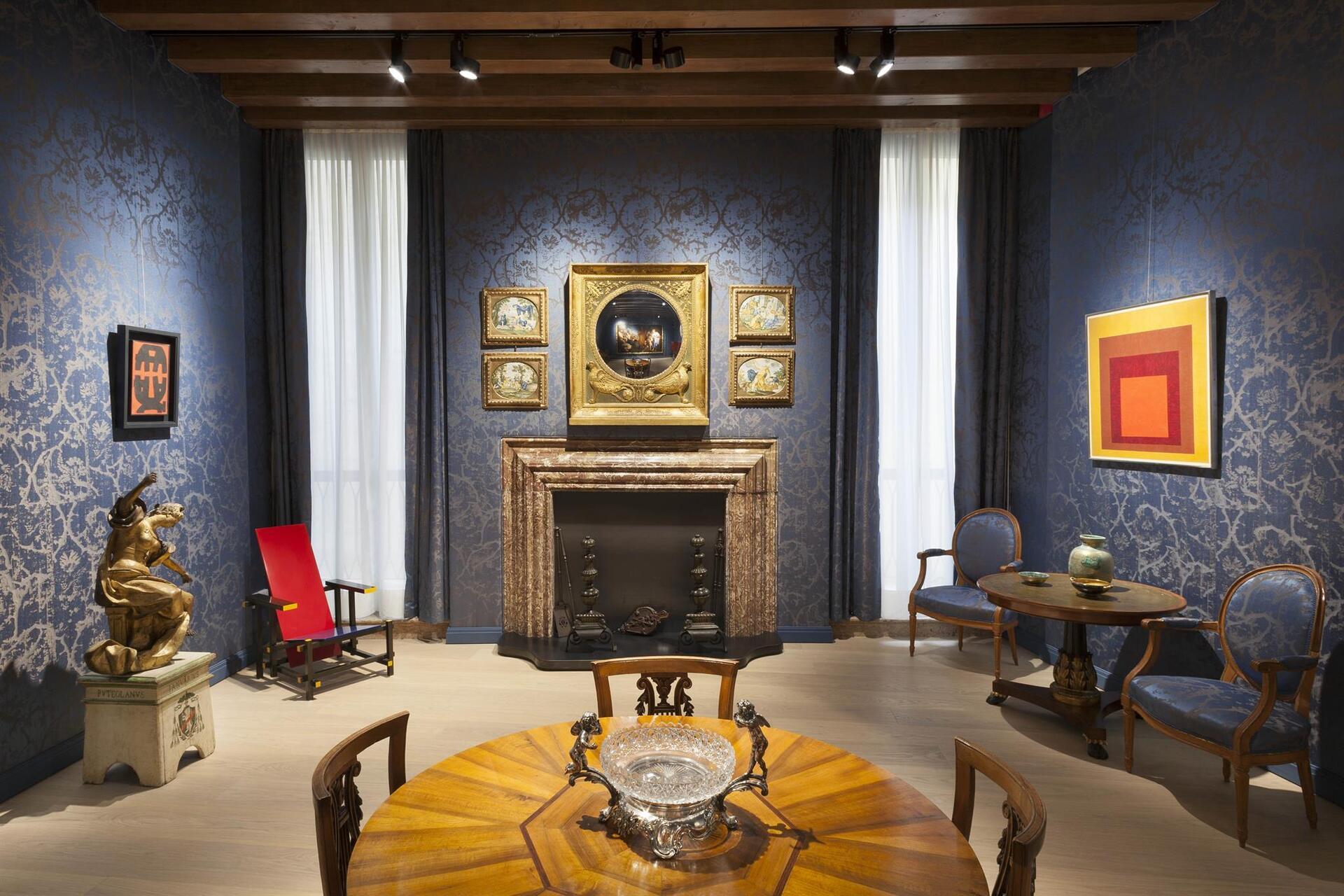
In the first part, characterized by views over the piazza, the dialogue with the environments of the noble floor of the palace is prioritized, recreating the atmosphere of a private residence, but also the sense of a Wunderkammer and a synthesis among the arts, with thematic nuclei of ancient art where the dialogue with modernity suddenly bursts in. The collection of ancient art boasts a sort of compendium of the art history of the Scaligero territory, with works by Altichiero and Liberale da Verona, Nicolò Giolfino, Zenone Veronese, Bonifacio de’ Pitati, Antonio and Giovanni Badile, Felice Brusasorci, Jacopo Ligozzi, Alessandro Turchi, Marc’Antonio Bassetti, Antonio Balestra, and Giambettino Cignaroli, among others.
In the second part dedicated to the 20th century and contemporary art, where a true museum gallery was intended to be created showcasing many masterpieces, the passion for Futurism and Metaphysics is evident, and some of the greatest artists of the 20th century are encountered: Boccioni, Balla, Severini, as well as Picasso, de Chirico, Casorati, and Morandi alongside Magritte, Max Ernst, Duchamp, and Modigliani. And further still Afro, Vedova, Fontana, Burri, Tancredi, Manzoni, and many others, up to the most current issues, with Pistoletto, Cattelan, Erlich, Nannucci, and Sassolino.
On the second floor, an additional 8 exhibition rooms and a project room offer a path that invites reflection, also thanks to the installations of contemporary artists such as Chiara Dynys, Eliseo Mattiacci, who passed away in 2019, and the video installation, inaugurated on February 14, 2025, by the studio camerAnebbia.
Here the rooms - which feature major encounters from Antonio Canova to Mario Schifano, from Alberto Burri to Fausto Melotti, to Robert Indiana, with the iconic Hope - each represent an entity in itself. Individual completed episodes of a vast narrative, no longer entrusted to the direction of art history, but to empathy and meditation around eternal or pressing contemporary themes: the relationship between man and the cosmos, nature and infinity, environmental sustainability.
From the private vision, from the intimacy of daily residence, this art heritage has become a wealth for the city and the public, in a strongly symbolic building such as Palazzo Maffei, whose original late medieval core is located in the area of the Capitolium, the votive complex dedicated to the Capitoline Triad, built when Verona became a Roman municipality (49 B.C.), of which the remains are still visible in the palazzo’s undergrounds.
FAQ
Is Palazzo Maffei fully accessible?
The structure includes the Casa Museo, which houses a private art collection that unfolds across 27 rooms.
Is photography allowed inside Palazzo Maffei Casa Museo?
Photography without flash for personal use is permitted. The use of tripods or telescopic poles is not allowed. Professional photography and video recordings must be pre-approved by the foundation by writing to info@palazzomaffeiverona.com.
What works are housed in the collection?
The Luigi Carlon Collection is rich in extraordinary works covering a timeframe from antiquity to the present day: paintings, sculptures, engravings, drawings, miniatures, ancient books but also pottery, bronzes, ivories, everyday objects like furniture and decorative artifacts.
Is the monument accessible for people with disabilities?
The monument is completely accessible and is equipped with an elevator.
Is it possible to access the monument with animals?
Only guide dogs and certified therapy animals are allowed. For all other four-legged friends, the Bauadvisor dog sitting service is available, bookable online at www.bauadvisor.it . The museum disclaims any responsibility for the services provided by Bauadvisor.


 ${item.descriptiveTime && item.descriptiveDate.endsWith(item.descriptiveTime) ? item.descriptiveDate.slice(0, -item.descriptiveTime.length).replace(/[\\s/,-]+$/, '') : item.descriptiveDate}$

 ${item.className === 'event' ? item.city : item.regionTag}$
 Website