Corte Bova was founded by the Baldù family, Venetian patricians, who later requested the Superintendent of Public Waters of Venice to derive an irrigation canal from the Fibbio equipped with sluices (the so-called Chiavica del Cristo still exists) that would allow the use of water to operate the wheels of a large rice mill, the remains of which can still be seen in front of the court, straddling the canal.
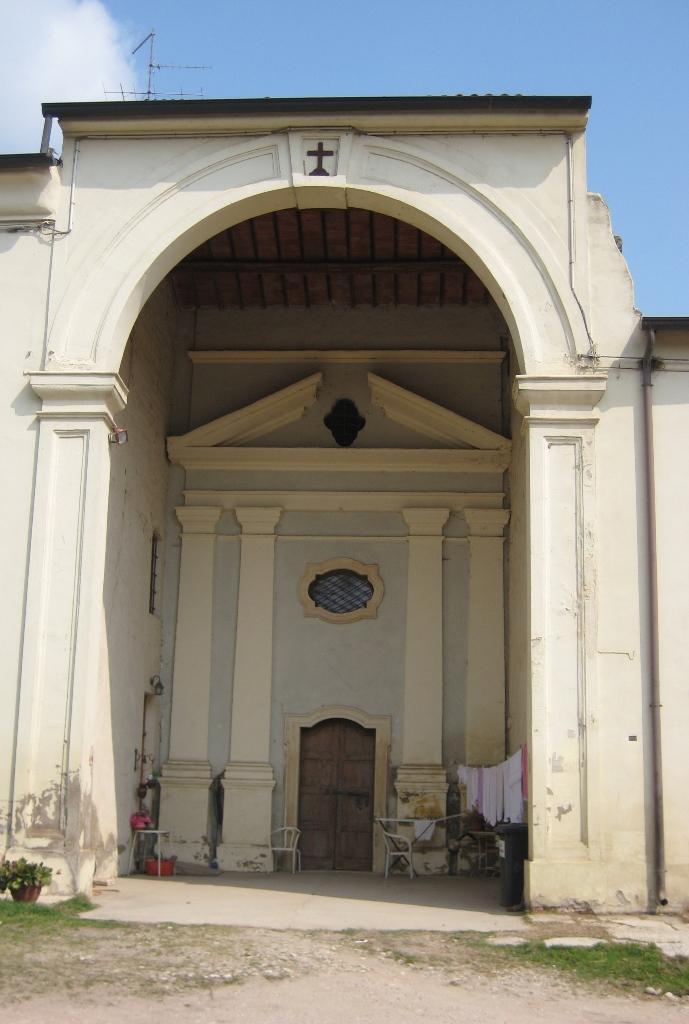
The court, arranged in a long row of buildings oriented east-west, displays at its center the main palace, adjacent to the Oratory of Santa Croce, with on either side the barns housing the workers' houses and the animal shelters (from which derives the name in dialect: la Boa). The Oratory of Santa Croce has a unique positioning, set back from the line of the barns, with a very tall arch providing access and creating a useful porch.
The development of the court is closely linked to the cultivation of rice, which was introduced to the area by the Venetians, who specialized in this emerging crop with a more accurate control of water, preparing large drying yards, constructing warehouses and transport boats, and implementing the new technology, the famous mills for processing and polishing.
During the Napoleonic period, the area of Bova was the scene of clashes between the French coming from the Adige, but they were repelled by Croatian troops present among the Austrians. As a result of the land reclamation carried out between the 1800s and 1900s, the lands became drier and allowed for the cultivation of cereals and vegetables. In 1928, the far-sighted parish priest of Belfiore, Father Beniamino Bendinelli, learned that apples were being produced intensively in the United States, and thus he purchased a thousand plants from America, which landed at the port of Genoa. Half of the plants were planted in Bova and the other half in the lands adjacent to the Sanctuary of Madonna della Strà. Thus began the agricultural tradition of the apple that still characterizes the town of Belfiore today.

 ${item.descriptiveTime && item.descriptiveDate.endsWith(item.descriptiveTime) ? item.descriptiveDate.slice(0, -item.descriptiveTime.length).replace(/[\\s/,-]+$/, '') : item.descriptiveDate}$

 ${item.regionTag}$
 Website