We can imagine the pre-industrial Valpantena as a vast green park innervated by a network of waterways that flowed into the furrows of the valley floor. Mills sprang up where these waterways were most abundant. Fully-fledged milling districts were thus built in Azzago, Alcegnago-Stallavena and Lugo; these remained active until the early decades of the twentieth century. Bellori, located at the point where two valleys (the Vajo della Marciora and the Vajo dell'Anguilla) converge, was a transit station on the routes that have connected the Alta Valpantena with the mountains since Roman times.
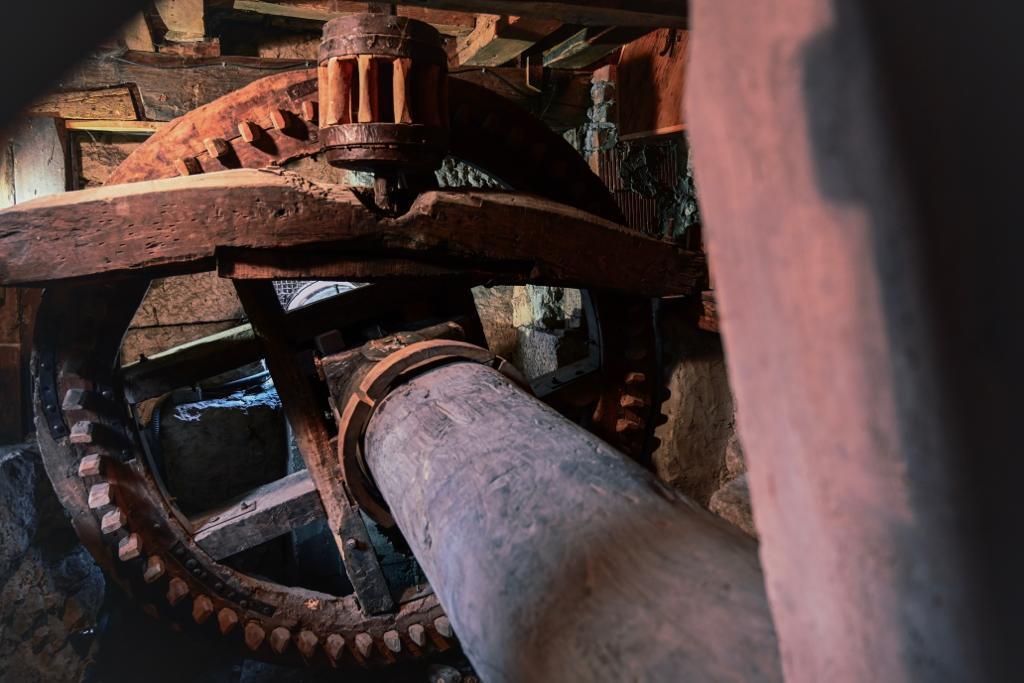
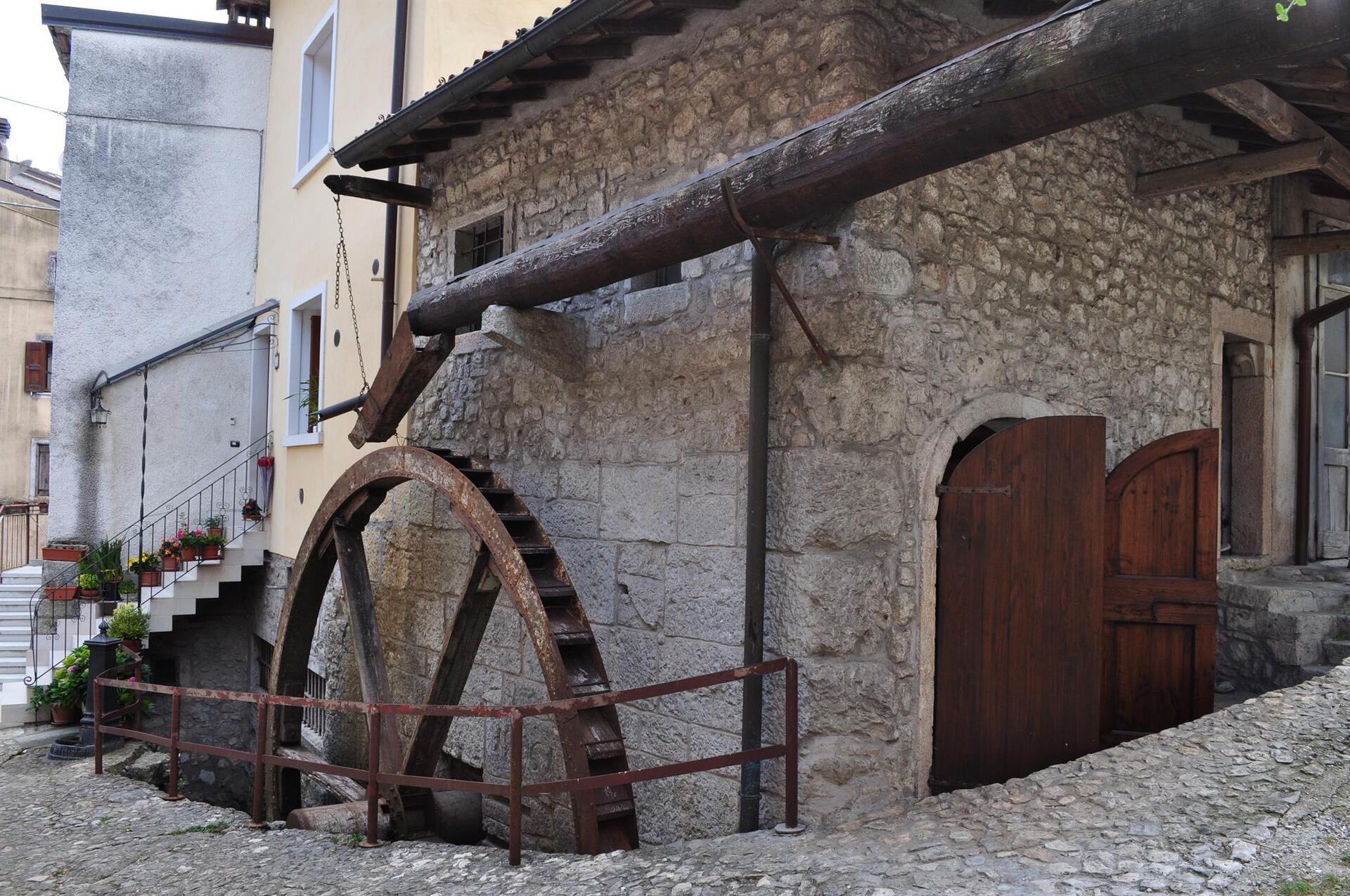
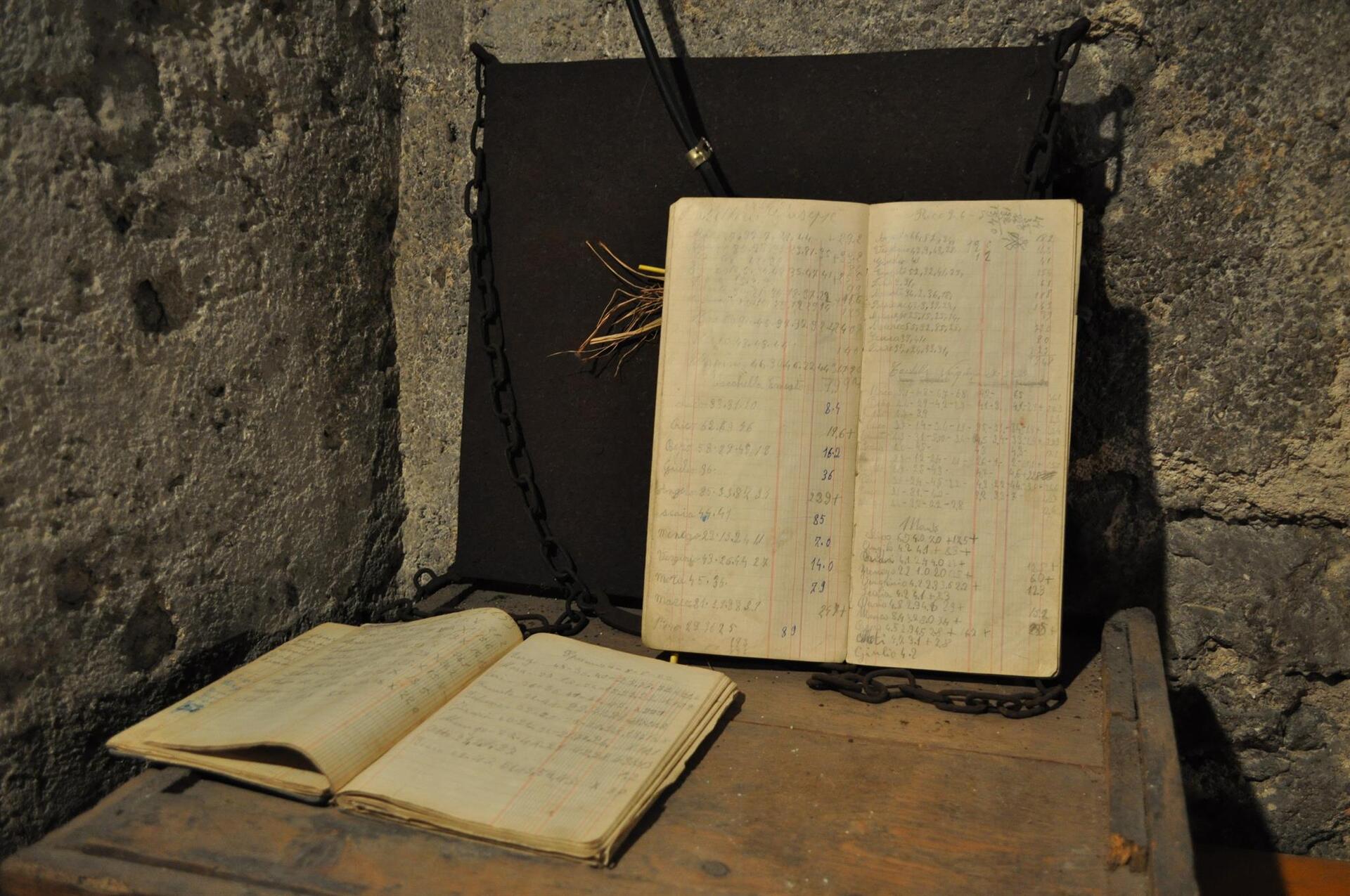
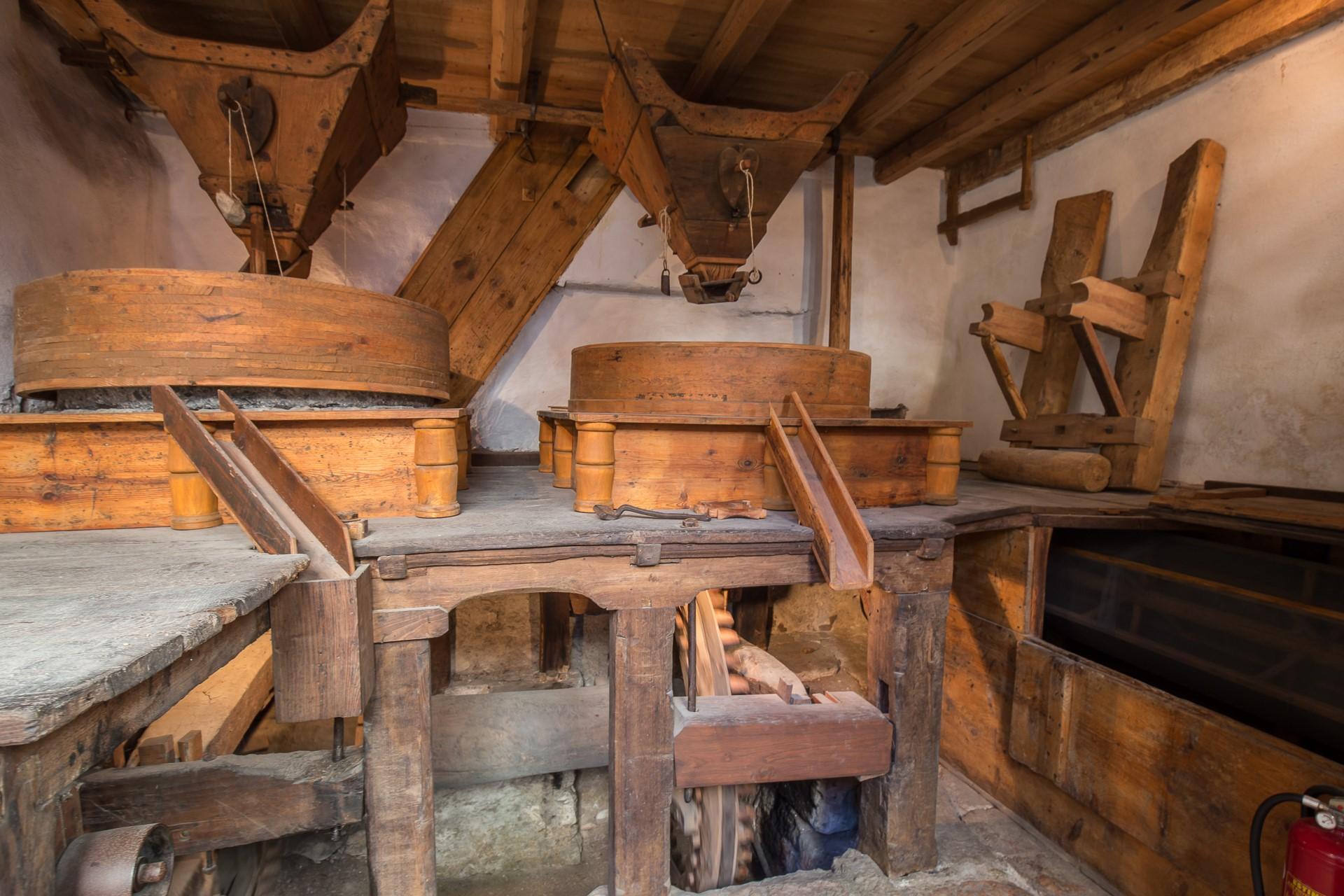
The hamlet of Bellori, where the old architectural features of the dwellings remain largely untouched, is proud of its well-preserved old mill, which has stood on the site since at least the fifteenth century. The mill was built in a strategic location which allowed the millers to collect and harness the power of the water that flowed down from the various valleys in the area. The cereals grown in the fields of Lessinia and the Valpantena were fed into its millstones, producing the flour that nourished many generations up to the post-war period – until 1956, to be precise. This mill, known as 'del Baràca', was owned by Marcellino Tacchella and Marco Zanini at the beginning of the 20th century. The latter sold his half of the ownership to Marcellino Veronesi in 1923.
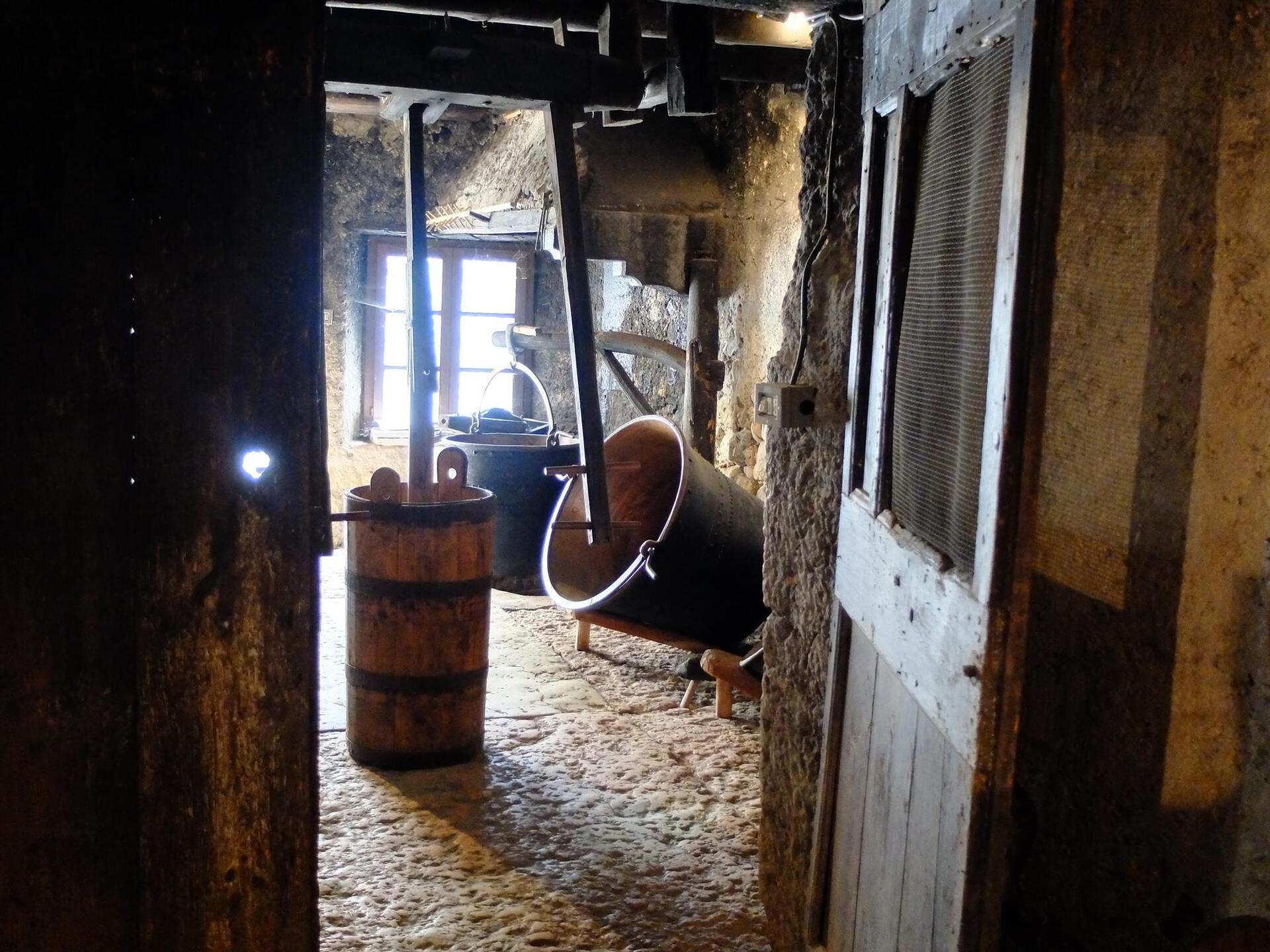
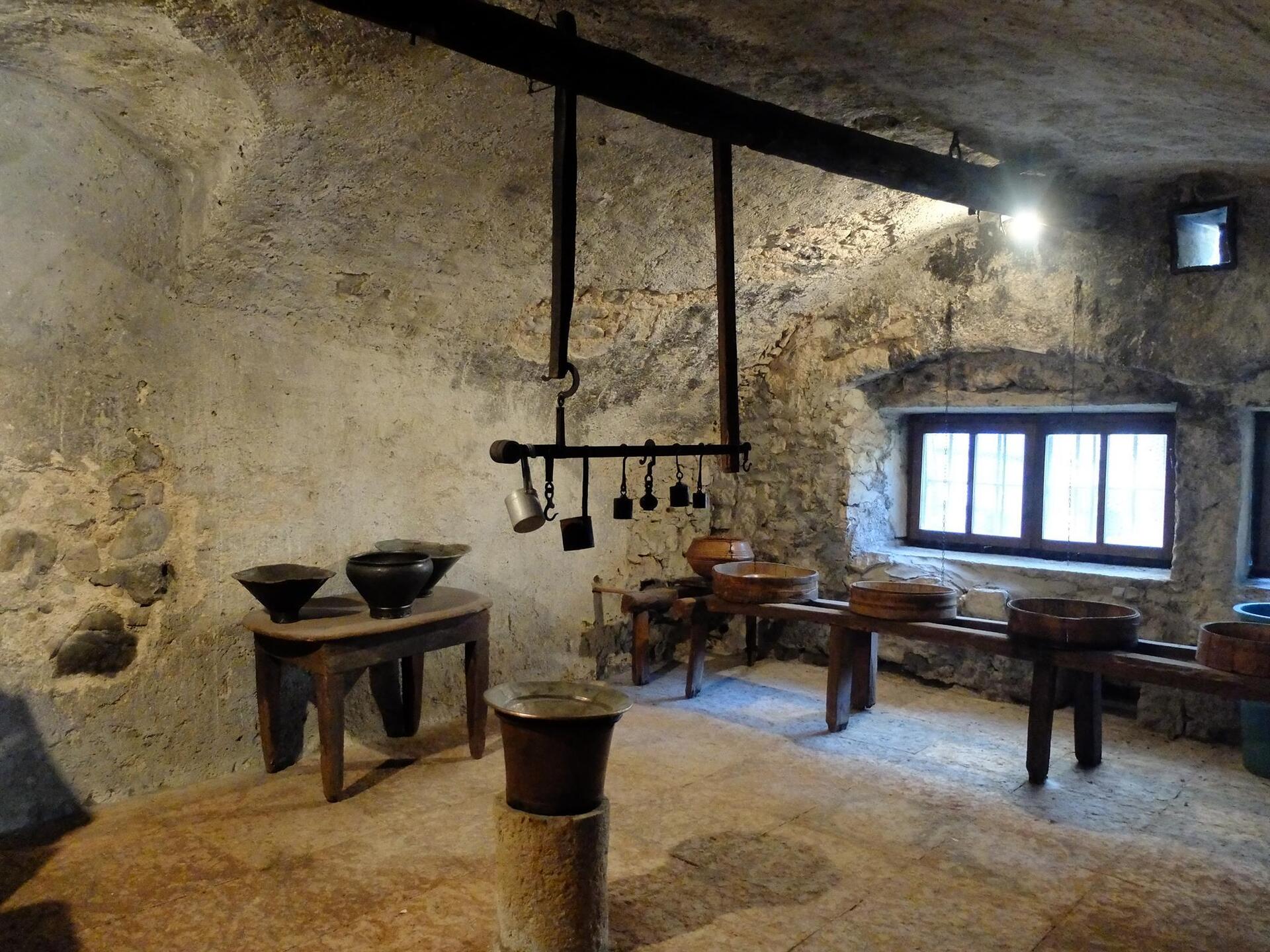
Walking into the Bellori mill is like entering a medieval world: it still has the features of the first mills built with almost entirely wooden gears. Within the same structure there is also a 'baito', the traditional building where milk was collected and butter and cheese were produced. This belonged to various inhabitants of the hamlet. Twice a day, at fixed times, the farmers delivered the milk here. Each part owner took it in turns to process all the milk delivered during a certain period of time.
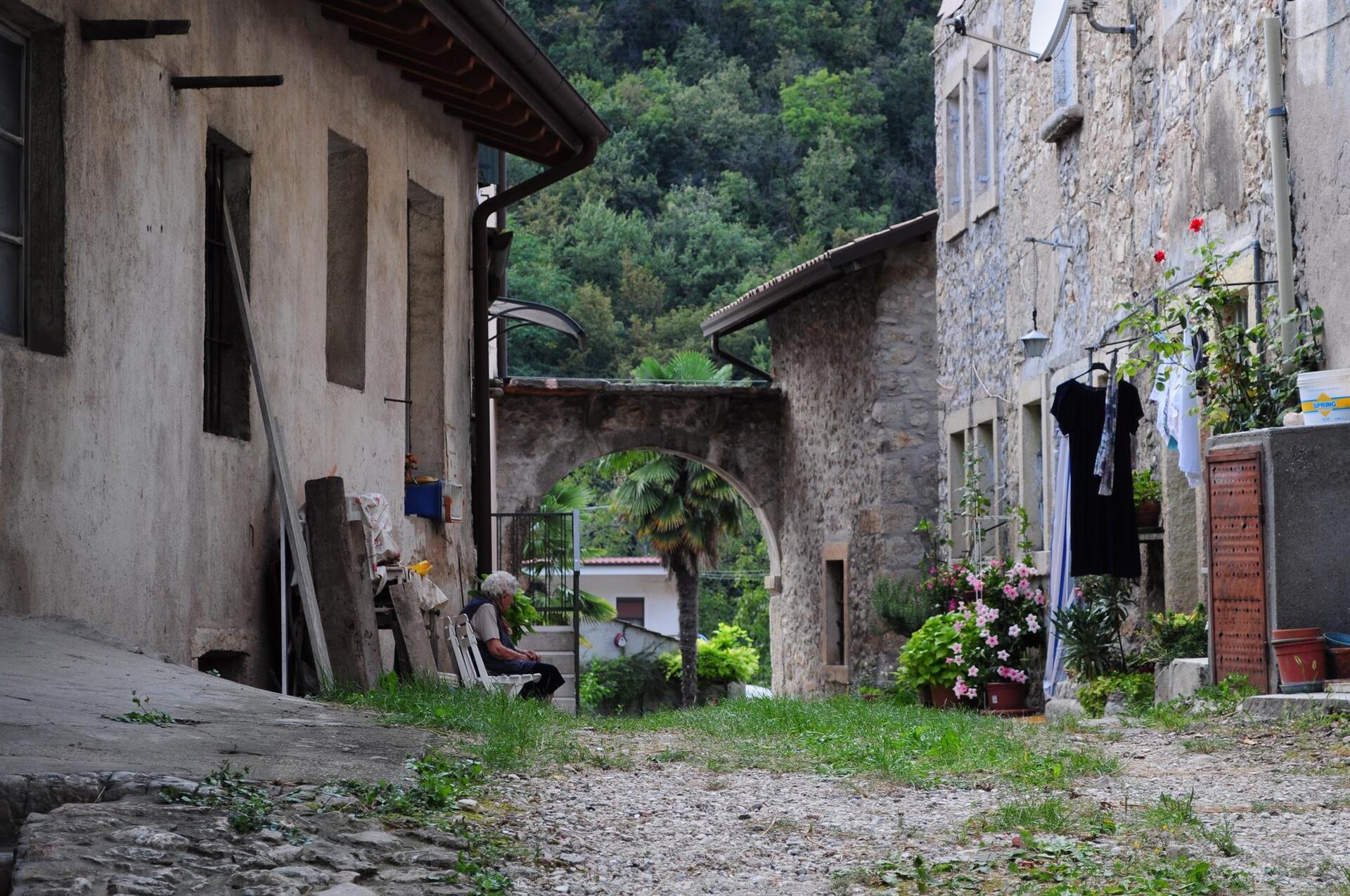
Beyond the mill, the whole hamlet has preserved its secluded beauty and has other sights that are worthy of attention: the west-facing courtyard marked out by an entrance archway whose keystone bears the carved date AD 1610; the former Osteria dell'Anguilla or Trattoria Menegazzo, an inn with a stall built in the early 1800s where carters stopped before embarking on the tough climbs leading to the mountain; the capital of San Valentino and the Madonna dello Scanno, with an alms box dated 1674; the 'Corte Fredda'.


 ${item.descriptiveTime && item.descriptiveDate.endsWith(item.descriptiveTime) ? item.descriptiveDate.slice(0, -item.descriptiveTime.length).replace(/[\\s/,-]+$/, '') : item.descriptiveDate}$

 ${item.regionTag}$
 Website